Finding a reliable wireless thermostat for baseboard heaters helps you save energy, stay comfortable, and control heating from anywhere. This guide highlights five high-visibility options that work with 120V–240V line voltage baseboards, convectors, and other electric heating setups. Each model supports smart features such as app control, voice assistant integration, and scheduling, making them ideal for American homes seeking modern comfort and energy efficiency. Below, you’ll find a quick overview, in-depth product sections, and a Buying Guide to help you choose the right unit for your wiring and preferences.
| Product | Brand | Voltage Range | Smart Features |
|---|---|---|---|
| Meross Smart Thermostat | Meross | 120V-240V | HomeKit, Alexa, Google Home, energy saving, easy install |
| Mysa Smart Thermostat LITE | Mysa | 120V-240V | Wi‑Fi, remote control, scheduling, no subscriptions |
| Mysa Smart Thermostat (240V) | Mysa | 240V | HomeKit, Alexa, Google, remote control, temperature/humidity alerts |
| MOES Programmable Smart Thermostat | MOES | 120V/240V | Wi‑Fi, remote via Smart Life/TUYA, Alexa/Google |
| Stelpro Z‑Wave KI | Stelpro | Line voltage with Z‑Wave gateway | Z‑Wave control, ECO mode, energy savings |
Note: Each product supports line-voltage electric heating, but installation may require four wires (including a neutral or second live) for proper operation. Always verify compatibility with your existing wiring and local electrical codes before purchasing.
Meross Smart Thermostat For Electric Baseboard Heaters

The Meross Smart Thermostat is designed for high-voltage systems and supports 120V-240V with a maximum output load of 16A, 1920W at 120V, and 3840W at 240V. It’s compatible with baseboard heaters, convectors, and fan-forced systems, making it versatile for various room layouts. Installation is straightforward, typically under 30 minutes, though it requires four wires in the electrical box. It offers voice control through Apple Home, Alexa, and Google, enabling convenient temperature adjustments via Siri or voice commands. The device is engineered for easy integration with existing smart home ecosystems and supports energy-saving routines.
Key features include: easy installation, compatibility with multiple heater types, and strong smart home integrations. If your baseboard setup uses a higher voltage, this model can provide reliable control and cost-effective energy management while maintaining precise temperature settings.
Mysa Smart Thermostat LITE
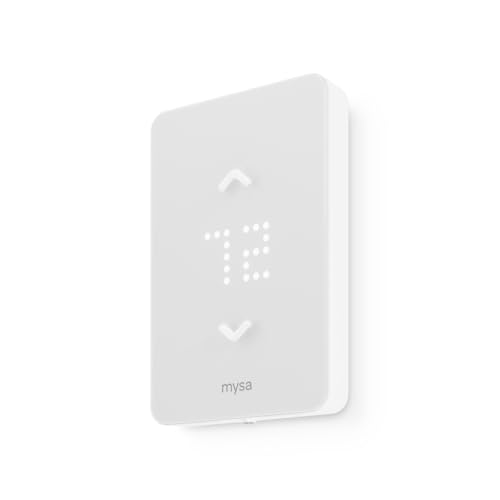
The Mysa Smart Thermostat LITE is a line voltage device designed for 120V-240V electric baseboards, fan-forced heaters, wall heaters, and convectors. It supports both single-pole and 208/240V configurations, with most setups needing four wires and a neutral or second live wire for proper function. The thermostat offers a 100% free app experience with remote control, scheduling, energy reports, and smart integrations—no subscriptions required. A compact form factor powers easy wall installation and adaptation to different room sizes. This model is ideal for users seeking strong app-based control without ongoing fees.
Considerations include the necessity of a four-wire setup, compatibility with high-voltage circuits, and the value of free app features for ongoing energy management and remote operation. It’s a solid option for homes already invested in smart lighting and other connected devices seeking cohesive control.
Mysa Smart Thermostat For Electric Baseboards 240V

This Mysa model is tailored for 240V line-voltage systems, offering remote control, scheduling, and compatibility with HomeKit, Alexa, and Google Home. It requires four wires, including a neutral or second live wire, to function correctly. The unit supports temperature and humidity alerts, adding a layer of environmental awareness to heating control. Installation emphasizes a compact footprint and straightforward wiring, making it a practical choice for retrofits or new installations on 240V baseboard layouts. The device emphasizes long-term energy savings through adaptive scheduling and real-time control.
Points to weigh include whether your system operates at 240V, the necessity of a four-wire connection, and your preferred smart home platforms for voice and routine automation. This model is favorable for those who want robust smart-capability without sacrificing 240V performance.
MOES Programmable Smart Thermostat For Electric Baseboard Heaters

The MOES thermostat is designed for high-voltage baseboard heaters and convectors, operating with 120V/240V systems and 2.4G WiFi. It supports remote control via the Smart Life/TUYA app and is compatible with Alexa and Google Assistant. A four-wire setup (including a neutral or second live) is recommended for full functionality. The device features a new knob-style thermostat with a frosted display to reduce glare, making manual adjustments easier. It emphasizes energy savings by enabling remote control and scheduling, helping households heat only where and when needed.
Considerations include the availability of a four-wire configuration, app reliability, and the compatibility of TUYA/Smart Life ecosystems with other smart devices in your home. For users who value tactile manual control alongside smartphone access, this MOES option can be a well-rounded fit.
Stelpro Z‑Wave KI STZW402WB+

The Stelpro KI Z‑Wave thermostat is notable for being North America’s first Z‑Wave model designed to work with line voltage heaters via a two-wire connection. This design supports remote heating control when paired with a Z‑Wave gateway controller (sold separately), enabling sophisticated energy management across a broader smart-home ecosystem. Its ECO mode focuses on minimizing energy use with smart scheduling, making it a compelling option for users who already operate Z‑Wave devices.
Additional considerations include whether you already own a Z‑Wave hub, the availability of gateway controllers, and how ECO mode integrates into your overall energy strategy. If you want expanded automation across multiple rooms or zones, this model can deliver robust, scalable control.
Buying Guide: Key Purchase Considerations
- Voltage and wiring: Most baseboard-compatible thermostats require four wires (including a neutral or second live). Verify your current wiring before purchasing to ensure compatibility with line-voltage control.
- Smart home ecosystem: If you use Apple HomeKit, Google Assistant, or Amazon Alexa, pick a thermostat with native support for your preferred platform. If you’re invested in Z‑Wave, Stelpro’s KI model provides gateway-based integration.
- App and remote access: Look for devices offering a free mobile app, scheduling, energy reports, and remote control without ongoing subscription fees.
- Energy savings features: Adaptive display brightness, ECO modes, and scheduling can reduce energy waste. Examine whether the thermostat provides energy usage insights and easy-to-create routines.
- Installation complexity: Some models promise quick installs (under 30 minutes) but still require careful wiring, especially for high-voltage systems. If you’re unsure, consult a licensed electrician.
- Reliability and compatibility: Check maximum wattage loads and whether the thermostat is rated for your heater type (baseboard, convectors, or fan-forced units).
- Voice control and routines: If hands-free operation matters, prioritize devices with seamless Siri, Alexa, or Google integration and robust routine capabilities.
- Future-proofing: Consider models offering firmware updates and compatibility with upcoming smart-home standards in your region.
Selecting the right wireless thermostat for your baseboard heater hinges on your electrical system, preferred smart-home ecosystem, and whether you value remote scheduling or voice control. For homes with four-wire configurations and a commitment to energy efficiency, the Meross, Mysa, and MOES options provide strong app-controlled experiences. If you already operate a Z‑Wave network, the Stelpro KI offers scalable integration alongside energy-saving modes. Always ensure that the chosen model supports your heater’s voltage and has an installation path that aligns with your wiring and local electrical codes.