When living on the road, keeping a comfortable RV interior often hinges on reliable cooling powered by solar generators. This guide highlights top options that can support RV air conditioners, along with practical buying considerations. Each product below is selected for its capacity, safety features, and suitability for off-grid use.
| Product | Capacity | Typical Use | Key Feature |
|---|---|---|---|
| Jackery HomePower 3000 | 3072 Wh | Home backup, RV, outages | UL-listed UPS, 3600W predictable surge |
| BROWEY 1600W | 1024 Wh | Camping, RV, emergencies | Built-in solar panel, LiFePO4 cells |
| EF ECOFLOW Delta Pro | 3600 Wh (base) | Home backup, camping, RV | Expandable to 25 kWh with extra batteries |
| RV Air Conditioner (outequip) | 10,000 BTU AC | RVs, trucks, vans | Compact rooftop unit |
| RecPro 15K RV AC | 15,000 BTU | RVs, campers, food trucks | Low amp draw for solar setups |
Jackery HomePower 3000 For RV A/C

The Jackery HomePower 3000 delivers a robust 3600W output with a 3072Wh capacity, suitable for RV air conditioning alongside essential appliances. Its UPS capability switches within ≤20 ms to protect critical devices during outages. The system is compatible with residential clean energy credits, providing potential tax incentives where eligible. This model emphasizes reliability for home backups and RV use, including the ability to keep a refrigerator and Wi‑Fi router operational during power interruptions.
BROWEY 1600W Portable Power Station

Browey offers an integrated solar design with a built-in panel and a 1024Wh LiFePO4 battery, supporting up to 1600W continuous output and 3200W peak. Eight ports (AC/DC/USB-C PD) enable versatile charging for RV accessories, climate control, and devices. The LiFePO4 chemistry provides extended cycle life, making it well-suited for longer camping trips or frequent outages. It’s portable enough for quick setups and reliable for off-grid use around an RV.
EF ECOFLOW Delta Pro Power Station
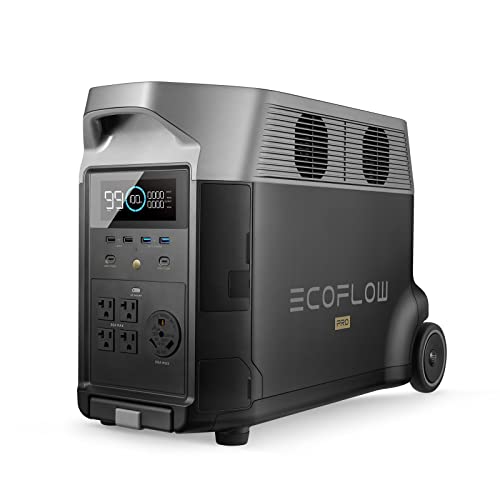
The Delta Pro offers a large 3600Wh LiFePO4 battery and significant expansion potential. With up to 3600W base output and up to 7200W using X-Boost when paired, it can power multiple devices, including air conditioners in RV setups. Its 15 output methods cover USB, DC, car ports, and AC outlets, supporting complex off-grid or RV configurations. The model supports modular expansion and high flexibility for varied camping or home backup scenarios.
RV Air Conditioner 12V 10K BTU Unit (outequip)

This 12V rooftop air conditioner provides efficient cooling for smaller RV spaces. Its 10,000 BTU rating ensures quick climate control, making it a practical match for solar generator setups that prioritize energy efficiency and compatibility with lower-amperage electrical systems. It also includes a 4,500 BTU heater for transitional seasons, though it’s not a primary heat source in extreme conditions. Durable construction supports travel and outdoor use.
RecPro RV Air Conditioner 15K

The RecPro 15K unit emphasizes energy efficiency with a low amp draw, supporting solar and generator setups in RVs. It’s designed for travel durability with UV-resistant materials and a compact rooftop profile. Ultra-quiet operation (about 55 dB) minimizes cabin noise, enhancing comfort when powered by solar or battery systems. This model is suitable for mid-to-large RV spaces seeking efficient climate control without heavy energy loads.
Buying Guide: Key Purchasing Considerations For RV Solar Power And AC
- Power capacity and surge: Align the battery capacity (Wh) and inverter surge rating with your AC unit’s starting surge needs. Larger air conditioners may require higher surge capacity and optional expansion (X-Boost or extra batteries).
- Battery chemistry and lifespan: LiFePO4 cells offer longer life and stability for off-grid use, often delivering 3000+ cycles with safe operation. This minimizes replacement frequency in RV setups.
- Expandability: If you anticipate growing energy needs, consider systems designed to add extra batteries or modules, potentially reaching 20–25 kWh in total capacity.
- Charging options: Solar compatibility (PV input), AC charging speed, and car-charger support affect how quickly you regain power after use. Look for MPPT controllers and fast charge capabilities when possible.
- Port selection and usability: Ensure multiple output types match your devices (AC outlets, USB-C PD, car ports). A broad array of ports helps power essential electronics, fans, routers, and lights concurrently.
- Reliability and safety: UPS features, short-circuit protection, overvoltage safeguards, and certified components improve long-term reliability in RV environments.
- Tax incentives: Some units qualify for energy credits or rebates. Verify eligibility with utility providers and tax authorities to optimize total cost of ownership.
- Weight and portability: Heavier models offer higher capacity but reduce mobility. Balance need for power with how easily you can transport and deploy the system on an RV roof or towable setup.
- Noise and heat management: Massive air conditioners can add heat and noise. Look for systems that run quietly and manage heat effectively to maintain cabin comfort without excessive battery drain.
- Compatibility with existing solar: If you already have solar panels, verify amperage, voltage, and MPPT compatibility to maximize charging efficiency.