Choosing a smart thermostat for electric baseboard heaters requires attention to high-voltage compatibility, wiring needs, and reliable app control. This guide reviews five top options designed for 120V–240V baseboard and similar high-voltage electric heating systems. Each model supports Wi‑Fi, scheduling, and voice control through major ecosystems. The selections emphasize easy installation, energy management, and compatibility with systems that use line voltage rather than standard low-voltage HVAC wiring. Read on to compare features, installation notes, and key considerations for maximizing comfort and efficiency in homes with baseboard heating.
| Product | Brand | Key Suitability |
|---|---|---|
| Mysa Smart Thermostat LITE | Mysa | 120V–240V baseboard heaters; HomeKit/Alexa/Google |
| meross Smart Thermostat (High Voltage) | meross | 120V–240V baseboards; HomeKit/Alexa/Google; 4-wire requirement |
| Mysa Smart Thermostat 240V | Mysa | 240V baseboards; free app; alerts and control |
| MOES Programmable Smart Thermostat | MOES | 120V/240V high voltage; remote control; 4-wire required |
| Honeywell Home RTH9585WF1004 | Honeywell Home | Wi‑Fi color thermostat; broad HVAC compatibility |
Mysa Smart Thermostat LITE
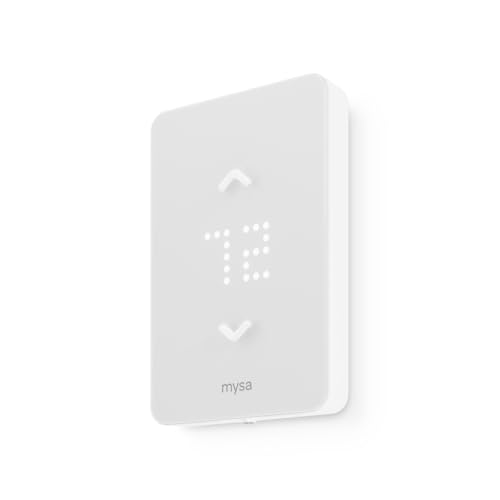
The Mysa LITE is designed for line-voltage control, supporting 120V to 240V electric baseboard heaters, as well as fan-forced and convector units. It operates as a single-pole thermostat and is compatible with 120V, 208V, and 240V systems. The device integrates with home ecosystems through Wi‑Fi and supports remote control, scheduling, and energy reporting via a free app with no subscription fees. This model emphasizes straightforward DIY installation and broad high-voltage compatibility for active baseboard setups. The device includes smart integrations with HomeKit, Alexa, and Google Assistant for voice and routine control.
meross Smart Thermostat (High Voltage)

This meross model is designed for high-voltage systems and supports 120V–240V with a maximum load of 16A (1920W at 120V, 3840W at 240V). It requires four wires, including a neutral or second live wire, for correct operation. The thermostat is compatible with Apple Home, Alexa, Google Home, and SmartThings, enabling voice and app control. The installation notes emphasize that additional wiring is needed in many setups, and the product aims to integrate voice control and remote management for energy savings in baseboard or similar electric heating systems.
Mysa Smart Thermostat for Electric Baseboard Heaters 240V

This 240V Mysa model supports baseboard heaters with high voltage, offering remote control via Wi‑Fi and a free app. It requires four wires, including a neutral or second live wire, for proper function. The thermostat emphasizes easy installation and provides app-based scheduling, temperature tracking, and alerts. It is compatible with HomeKit, Alexa, and Google Assistant for voice commands and routines, with a focus on energy savings and convenience for 240V baseboard installations.
MOES Programmable Smart Thermostat

The MOES thermostat supports high-voltage heating systems (120V/240V) and requires at least four wires with a neutral or second live wire. It offers remote control via the Smart Life/TUYA app and is compatible with Alexa and Google Home. This model is tailored for baseboard and other line-voltage heaters, enabling remote scheduling and energy management. The device uses a knob-style interface for straightforward manual adjustments, with a focus on reliable performance in high-voltage environments.
Honeywell Home RTH9585WF1004
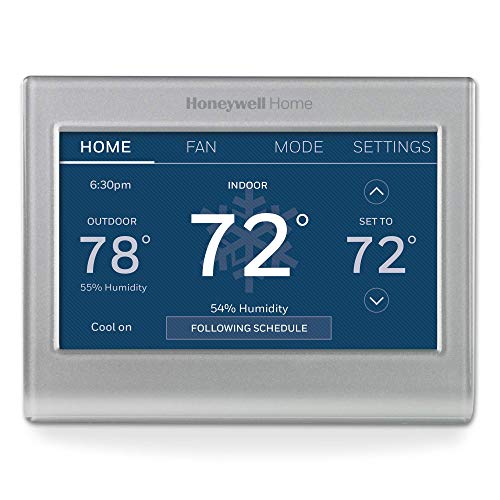
The Honeywell Home RTH9585WF1004 offers Wi‑Fi connectivity and a color touchscreen with seven-day programming. While designed for a broad range of HVAC applications, it supports integration with voice assistants and energy-saving rebates where available. This model is suitable for users seeking a familiar brand with a robust ecosystem, and it provides flexible scheduling and remote management for compatible high-voltage or central heating setups.
Buying Guide
- Voltage and wiring requirements: Confirm the thermostat supports 120V–240V line voltage and whether four wires (including neutral or a second live wire) are required for proper operation.
- Compatibility with baseboard and high-voltage systems: Ensure the device is designed for electric baseboard heaters, fan-forced heaters, or convectors. Some models may be restricted to specific high-voltage configurations.
- Smart home ecosystem support: Look for compatibility with Apple HomeKit, Amazon Alexa, Google Assistant, and SmartThings for voice control and routines.
- App features and energy management: Evaluate whether the app offers remote control, scheduling, energy reports, and temperature alerts without subscription fees.
- Installation complexity: DIY installations are common, but some models require professional wiring; verify installation steps and regulatory compliance in your area.
- Display and usability: Consider adaptive brightness, display clarity, and manual control options for environments where a glancing view is needed.
- Rebates and rebates integration: Some brands or utilities offer rebates; check eligibility and documentation availability for potential savings.
- Reliability and updates: Prioritize models with active app support and regular firmware updates to ensure ongoing security and feature improvements.
- Future-proofing: If you plan to expand or modify your heating system, select devices that are compatible with a wide range of high-voltage appliances and regional wiring practices.
- Security and privacy: Review data collection policies and ensure the device uses secure cloud communication and local processing where possible.