This article highlights top rubber matting options for electrical switch rooms, focusing on high-voltage insulation, durability, visibility, and ease of use. Each product below is chosen for reliability in environments with elevated electrical risk, from switchgear rooms to substations. Read on to compare features, size options, and practical considerations for safe workspace flooring.
Summary of Selected Products
| Product | Key Features | Voltage Rating |
|---|---|---|
| Maasechs 20″ x 20″ Rubber Mat | 1000V insulation, bright orange visibility, portable size | Up to 1000V |
| Rhino Mats SBD-424-3636 | Diamond plate pattern, large switchboard mat | Dielectric 30,000 VAC test; recommended max 17,000 VAC |
| Viuseo 5 Ft Electrical Safety Mat | Lightweight, cut-to-fit, portable for varied setups | Up to 15,000V insulation |
| Viuseo 10 Ft Electrical Safety Mat | Flexible natural rubber, portable and scalable | Up to 15,000V insulation |
| Viuseo 20 Ft Electrical Safety Mat | Long length, roll-and-cut convenience | Up to 15,000V insulation |
Maasechs 20″ x 20″ Rubber Mat Overview

The Maasechs rubber mat provides high-standard insulation suitable for 1000V environments. Its 20″ x 20″ footprint covers substantial base areas and reduces splicing needs, boosting efficiency in industrial or lab settings. The bright orange color serves as a clear safety cue, improving hazard awareness in switch rooms and maintenance areas. The mat is designed for durability and ease of relocation, helping teams adapt work zones as needed.
Rhino Mats SBD-424-3636 Diamond Plate Pattern
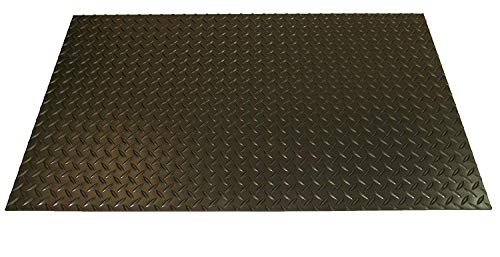
Rhino Mats offers a robust insulating mat with a diamond plate pattern that enhances grip and stability underfoot. It is tested to dielectric standards up to 30,000 VAC (with surface proof at 20,000 VAC) and is recommended for use up to 17,000 VAC. This combination of high dielectric testing and rugged surface makes it a strong choice for switchboards and electrical rooms requiring substantial protection against electrical faults, while maintaining a durable, reusable form factor.
Viuseo 5 Ft Electrical Safety Mat

This 5-foot Viuseo mat emphasizes portability and ease of cutting to fit specific spaces. It uses natural rubber to deliver high flexibility, water resistance, oil resistance, and resilience against pressure and impact. The mat’s ability to be cut to size makes it adaptable for various switchroom layouts, providing consistent insulation across irregular base areas while remaining easy to transport between sites.
Viuseo 20 Ft Electrical Safety Mat

The 20-foot Viuseo mat extends coverage for larger switch rooms or consolidated work areas. Like the shorter variant, it uses natural rubber for flexibility, water and oil resistance, and durability against daily wear. Its length supports seamless coverage across multiple equipment bases, reducing seam exposure and potential trip risks in busy electrical environments.
Viuseo 15 Ft Electrical Safety Mat
The 15-foot Viuseo mat offers a middle-ground length for facilities needing extended insulation without the full length of a 20-foot mat. It shares the same material benefits—flexible natural rubber, impermeability to water and oil, and easy cut-to-fit versatility—allowing operators to tailor mats to equipment clusters or irregular floor plans.
Buying Guide
Key considerations when selecting rubber matting for electrical switch rooms include voltage rating, thickness, size, and installation practicality. Consider the following perspectives to match mats with specific needs:
- Voltage and dielectric performance: Choose mats with insulation ratings aligned to the room’s risk level. Higher voltage environments benefit from mats with proven dielectric testing (e.g., 30,000 VAC tested with 20,000 VAC surface proof).
- Size and coverage: Larger mats reduce seams and gaps that could expose conductive areas. Assess base dimensions of equipment and workstations to determine whether 20″ x 20″ squares, longer runs, or wide sheets best fit the space.
- Material and durability: Natural rubber offers flexibility, water and oil resistance, and good impact tolerance. Consider environmental exposure (oil spills, chemical vapors) and cleaning frequency when choosing material and texture.
- Portability and modularity: For dynamic workspaces, mats that can be cut to fit and easily rolled or moved are advantageous. This supports reconfiguration for maintenance or emergency access.
- Visibility and safety: Bright colors (like orange) improve hazard awareness and compliance with safety standards. High-contrast surfaces can aid in delineating safe zones around live equipment.
- Maintenance and cleaning: Choose mats that resist staining and are easy to wipe down. Ensure mats can be cleaned without degrading insulation properties.
- Installation considerations: Some mats are designed for flat, stable surfaces; others tolerate minor irregularities. Ensure the floor is clean and dry before placement to maximize grip and insulation performance.
- Certifications and compliance: Look for dielectric tests and industry-standard classifications (e.g., ASTM or similar guidelines) to confirm suitability for switchgear applications.
- Cost of ownership: Longer mats reduce seams but may be heavier and less portable. Balance initial cost with durability, replacement needs, and maintenance.
These options provide a range of coverage, flexibility, and voltage protection. When selecting, align the mat’s insulation capability with the specific electrical risks and the room’s layout to optimize safety and workflow efficiency.