Finding a dependable power station to run a CPAP machine during camping, travel, or emergencies is essential for uninterrupted rest. This guide highlights five top options that balance safety, capacity, and portability. Each product is evaluated for CPAP readiness, ease of recharging, and multi-device charging. Read on to compare features and determine which unit best fits your nightly routine and outdoor lifestyle.
Product Summary
| Product | Brand | Approx. Capacity | Key CPAP Readiness |
|---|---|---|---|
| EnginStar Portable Power Station 300W | EnginStar | 296Wh | Two 110V pure sine wave outlets; multiple DC outputs; safe charging |
| ALLWEI Portable Power Station 300W | ALLWEI | 280Wh | 9 ports including 2x AC outlets; multiple recharging options |
| Jackery Explorer 300 | Jackery | 293Wh | Two Pure Sine Wave AC outlets; fast recharge options |
| Anker Portable Power Station SOLIX C300 | Anker | 288Wh | Multiple ports; compact design; 140W two-way fast charging |
| PROGENY 300W Portable Power Station | PROGENY | 299Wh | Pure sine wave 110V outlet; pass-through charging; regulated 12V output |
EnginStar Portable Power Station 300W

The EnginStar power station offers a compact, portable design with 296Wh capacity and 300W AC output. Its eight output ports enable simultaneous charging of multiple devices, including CPAP machines, phones, laptops, cameras, and drones. Built-in two 110V pure sine wave outlets help protect sensitive electronics during operation, while 12V/24V DC outputs support DC appliances like mini-fridges. A robust battery management system provides voltage and temperature control for safer charging, with high cycle life claimed for the lithium-ion cells.
ALLWEI Portable Power Station 300W
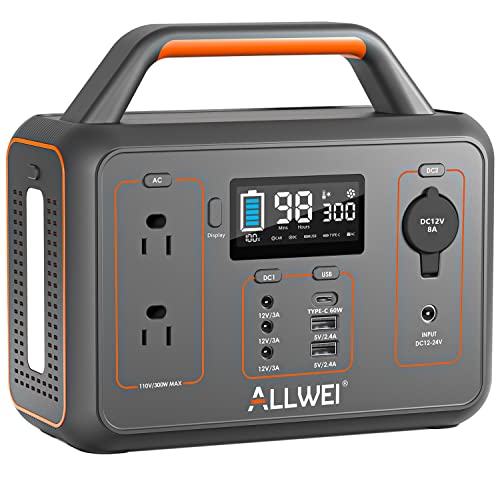
ALLWEI provides 280Wh of capacity with a rated 300W output, making it suitable for CPAP use and other essential devices during outages or outdoor activities. It features multiple charging methods, including AC, car, and solar input via an MPPT controller. The unit supports charging nine devices at once, including two AC pure sine wave outlets, USB-C PD, USB-A, and DC ports. A built-in LED light with SOS mode adds practical utility for camping or emergencies.
Jackery Explorer 300

Jackery Explorer 300 delivers 293Wh with two Pure Sine Wave AC outlets and multiple ports to power CPAP devices, laptops, phones, and cameras. It offers rapid recharge options, including a 60W PD USB-C port and fast charging mode that accelerates replenishment. The unit is relatively light at around 7.1 pounds and designed for portability, making it a popular choice for travelers seeking reliable off-grid power for CPAP machines and other essentials.
Anker Portable Power Station SOLIX C300

The Anker SOLIX C300 offers 288Wh and up to 300W output, with 600W surge capacity. Its 8-port configuration includes three AC outlets, USB-C and USB-A options, and a car port. The design emphasizes travel-friendliness, with a lighter footprint and optional solar charging. A 140W two-way USB-C fast charging capability helps reduce downtime between outings, while the portable form factor supports CPAP use during camping or emergencies.
PROGENY 300W Portable Power Station
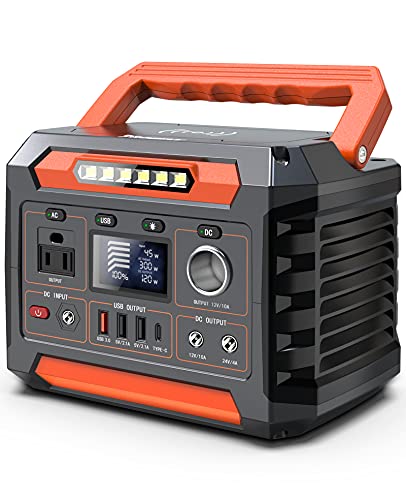
PROGENY presents a compact 299Wh system with a pure sine wave 110V AC outlet (300W rating, 600W peak) and a regulated 12V DC output. It supports pass-through charging and includes built-in USB-C and USB-A outputs for smaller devices. The power station’s light weight (about 7 lb) and efficient design make it suitable for CPAP use during camping or travel, ensuring stable power delivery and protection against common power hazards.
Buying Guide: Key Purchase Considerations
- CPAP compatibility: Look for units with at least one pure sine wave AC outlet to ensure smooth operation of CPAP machines and minimize risk of device hiccups.
- Capacity and runtime: CPAP machines typically require a consistent 30–70W draw, so a 250–300Wh range is often sufficient for several nights of use, depending on your CPAP model and other devices you power.
- Recharging options: Consider units with multiple recharge methods (AC wall, car, and solar) to maximize flexibility when off-grid.
- Port variety: An ideal power station offers a mix of AC outlets, USB-C PD, USB-A, and DC ports to cover CPAP power plus phone, laptop, and other device needs.
- Portability: If you travel or camp frequently, favor lighter weights and compact dimensions without sacrificing capacity.
- Safety features: Battery management systems and protections against short circuits, overcharging, and overheating are important for long-term reliability.
- Durability and warranty: Check for certifications (like ETL) and a solid warranty to ensure long-term peace of mind.
- Battery chemistry and cycle life: Lithium-ion and LiFePO4 options offer different temperature tolerances and cycle counts; LiFePO4 tends to be heavier but longer-lasting in some models.
- Display and usability: A clear LCD or LED readout helps you monitor charge status, output, and remaining runtime, which is especially helpful when managing CPAP power during trips.