Choosing the right motor for a science project matters. The motors below span small DC motors, geared kits, and miniature brushless options, offering varied speeds, torques, and accessories to support hands-on learning. This guide helps you compare options for school science fairs, classroom activities, and DIY STEM experiments.
| Product | Brand | Notes |
|---|---|---|
| Electric DC TT Motors Kit Plastic Gears | DORHEA | 1.5-3V to 12V, 9000-25000 RPM, colorful gears |
| EUDAX Rectangular Mini Electric Motors Kit | EUDAX | 3V, 24000 RPM, 84 gears, battery holders |
| EUDAX 6 Pack DC Motors Kit | EUDAX | 3-12V, 9000-25000 RPM, multi-color propellers |
| CrocSee Micro 3 Phase AC Generator Kit | CrocSee | 3-24V output, educational generator model |
| Sntieecr 6 Set 131 PCS DC Motors Kit | Sntieecr | Complete circuit kit with 66 gears, bulbs, buzzer |
| Mudder 20 Pieces Motor Kit | Mudder | 1.5-3V, 23000 RPM, compact metal design |
Dorhea Electric DC TT Motors Kit

The Dorhea kit combines a compact DC motor with a colorful set of gears, enabling a range of gear ratios for experiments in speed and torque. Operating voltage spans from 3V to 12V, with no-load speeds ranging from 9,000 to 25,000 RPM. The included shaft measures 10×2.0 mm, and the gear set adds flexibility for creating simple machines, wind-up mechanisms, or small robotic projects. The kit’s compact form factor makes it suitable for desk-based science activities and STEM demonstrations in classrooms.
Eudax Rectangular Mini Electric Motor Kit

Designed for DIY projects, this EUDAX rectangular motor set includes 6 motors, a 84-piece gear assortment, a two- AA battery holder, and a boat rocker switch. It operates at 3V and runs up to 24,000 RPM, with a 27 mm diameter housing and a 15 mm mounting hole distance. The kit emphasizes careful assembly and proper circuit diagrams to avoid short circuits, which helps students practice safe electricity handling while exploring gear-driven motion and propulsion concepts.
Eudax 6 Set DC Motors Kit

This kit provides durable DC motors with shaft propellers and a four- and three-vaned propeller set. Voltage ranges from 3V to 12V, with no-load speeds between 9,000 and 25,000 RPM. A variety of colors for the propellers adds visual appeal for classroom demonstrations. A caution in the manual advises ensuring correct circuit diagrams to prevent overheating and potential damage to battery holders, making it a good fit for teaching circuit design and motor control fundamentals.
CrocSee Micro 3 Phase AC Generator Kit
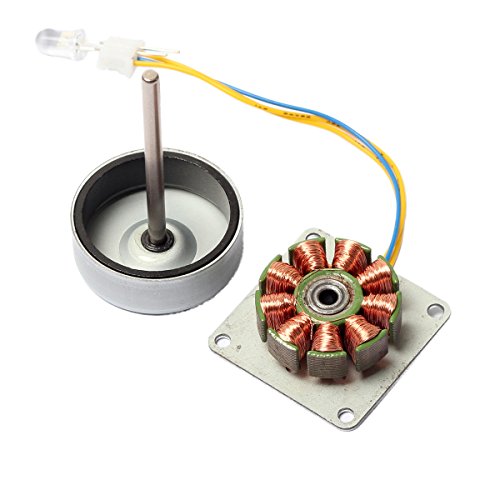
This Micro 3-phase brushless generator model offers a hands-on way to explore electrical generation. It demonstrates how three-phase systems can produce a stable output, with an adjustable output voltage range of 3V-24V and current up to 1A. It’s a straightforward entry point for experiments in electromagnetism, energy conversion, and basic robotics power systems, allowing students to visualize voltage, current, and generation concepts.
Sntieecr 6 Set 131 PCS DC Motors Kit
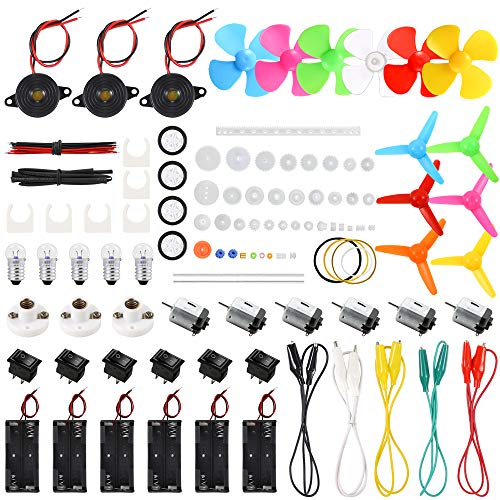
With 131 pieces, this Sntieecr kit provides a broad spectrum of components for STEM experiments. The set includes 66 gears, motor holders, bulb indicators, and a buzzer, enabling students to build circuits and motion-based projects while learning about electricity, circuits, and mechanical systems. The kit is marketed toward kids aged 8-14, promoting hands-on learning, creativity, and problem-solving through collaborative, project-based activities.
Mudder 20 Pieces Motor Kit

The Mudder kit emphasizes a compact metal motor platform with a broad operating range of 1.5-3V and speeds up to 23,000 RPM. Its small body—38 mm long and 20 mm in diameter—fits desktop experiments neatly. The set is suitable for vehicles, prop-driven models, and early robotics projects, offering reliable performance for extended sessions in the classroom or workshop settings.
Topoox 6 Pack DC Mini Motors

Topoox offers six mini DC motors with a compact design and straightforward installation. With a rated RPM around 15000 and a dependable 10×2 mm shaft, these motors suit beginner projects and small robotics demonstrations. The kit’s emphasis on easy installation makes it a practical option for students building simple machines, line-following robots, and basic control experiments.
Sntieecr Electric Circuit Motor Kit
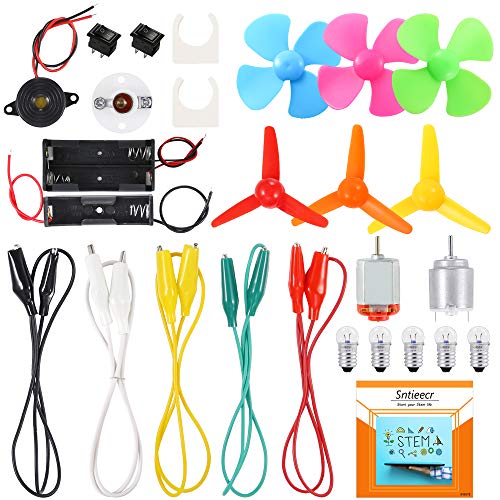
This Sntieecr kit is a complete circuit package designed for Montessori-inspired STEM learning. It includes two motors, multiple switches, crocodile clip leads, bulbs, propellers, and battery holders. The organized bundle supports kids and beginners in creating interactive experiments that demonstrate basic circuit concepts, motor control, and energy transformation. The variety of components encourages experimentation and iterative design.
Buying Guide
- Voltage and compatibility: Many kits operate at 3V to 12V. Consider the power source you have (AA batteries, 9V clips, or USB-powered supplies) and ensure the motor’s voltage range matches your design requirements.
- RPM and torque: Higher RPM indicates speed, while torque affects the ability to drive gears or wheels. For projects like tiny robots or propeller-driven vehicles, a balance between rpm and torque is essential.
- Gear options: Some kits include a variety of gears and propellers. Gear ratios determine speed amplification or torque boosts, enabling experiments in mechanical advantage and transmission systems.
- Safety and shorts: Guides emphasize following circuit diagrams to prevent overheating. Ensure secure connections, insulation, and proper handling to avoid short circuits or damage to components.
- Accessibility and expandability: Look for kits that offer a broad accessory set (gears, switches, bulbs, holders). A modular approach helps students extend projects without needing additional parts.
- Educational value: Kits with clear instructions or accompanying learning materials support structured learning, especially for beginners and classrooms.
- Durability and noise: Metal-bodied motors tend to be more durable and may tolerate longer testing periods. Noise levels can matter for classroom environments and focus during experiments.
- Safety for younger learners: Some kits are tailored for older children; ensure the recommended age range aligns with the students’ skill level to maximize learning and minimize frustration.
When selecting a motor kit for science projects, align the choice with the project goals—whether you want to demonstrate basic circuits, explore gear trains, or build a simple robot. The included accessories, voltage requirements, and safety considerations should guide your final decision to support successful, repeatable experiments.