Choosing the right motor for a mobility scooter can impact performance, reliability, and maintenance. This article highlights five popular 24V brushed DC motor options, comparing power, speed, build quality, and compatibility. Each entry includes a quick snapshot of key specs and practical considerations to help buyers select a motor that matches their scooter’s requirements and riding style.
| Product | Brand | Type / Power | Approximate RPM | Notes |
|---|---|---|---|---|
| Vevitts Small Brushed Permanent Magnet Electric Motor | Vevitts | Brushed DC, 24V, 350W | 3000 RPM | |
| 24v Electric Motor Brushed 250w (MY1016z) | VGEBY | Brushed DC, 24V, 250W | 75 RPM (low-speed variant) | Compact, easy to install |
| Wilfongkart 24V 350W DC Brush Motor Transaxle Differential | Wilfongkart | Brushed DC, 24V, 350W | 4250 RPM | Includes transaxle differential |
| LNUJIUN Electric Cart Conversion Kit Motor | LNUJIUN | Brushed DC, 350W, 36V (kit) | Not specified (kit system) | Complete kit with wheels; high torque |
| MOVEMAGIC 350W Mobility Scooter Motor System | MOVEMAGIC | Brushed DC, 350W | Not specified (range depends on battery) | 4-wheel folding mobility context |
Below you’ll find concise product profiles and practical buying tips to help you compare these options side by side. The focus is on performance in mobility scooters, ease of installation, and long-term reliability.
Vevitts Small Brushed Permanent Magnet Motor
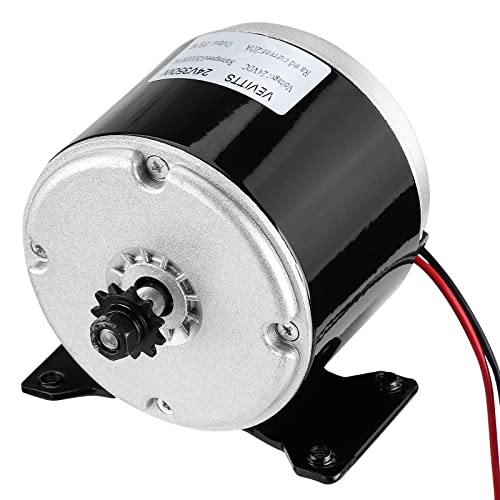
The Vevitts motor is a compact, brush-type DC motor designed for 24V systems. It uses an aluminum body with full copper coil construction and is described as heat resistant and naturally air cooled. Attributes include low noise operation and a claimed 3000 RPM at 20A current. This makes it suitable for scooters requiring a balance of torque and speed, without excessive heat buildup during prolonged use. The 8mm shaft diameter is a common fit for many scooter drivetrains, simplifying replacement or upgrade projects. Consider compatibility with your scooter’s drive train, shaft coupling, and controller for a smooth swap.
24v Electric Motor Brushed 250w (MY1016z)
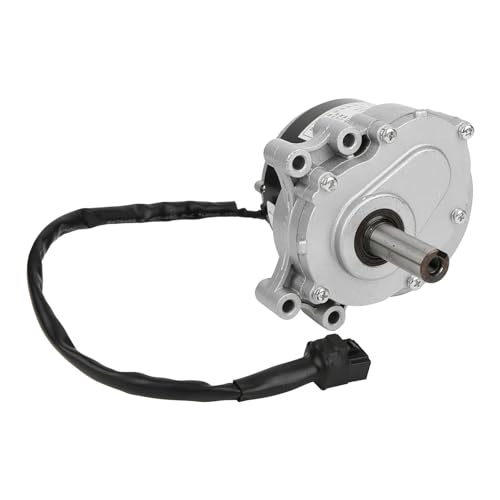
The VGEBY 24V 250W My1016z-style motor is a compact, low-speed option with a primary focus on reliability and easy maintenance. The listing emphasizes low noise, ease of installation, and a straightforward brush controller integration, which can be advantageous for DIY modifiers or replacement in older scooters. The motor’s high-torque, low-speed profile can be suitable for smoother starts and improved load handling, especially on inclines. Check compatibility with your wheel hub or axle interface and ensure your controller supports the 250W rating at 24V.
Wilfongkart 24V 350W Motor with Transaxle Differential

This Wilfongkart setup pairs a 24V 350W brush motor with a transaxle differential, which can improve torque distribution across wheels in multi-wheel configurations. It lists a high-speed capability at 4250 RPM and a gear ratio of 21.67, suggesting strong acceleration potential and better hill performance when matched with an appropriate drive system. The package appears oriented toward four-wheeled builds or conversions requiring a transaxle element. Ensure you have a compatible frame, motor mounts, and electrical interface to maximize efficiency and minimize wear.
LNUJIUN Electric Cart Conversion Kit Motor

The LNUJIUN kit centers on a 350W brush motor designed for 36V systems in conjunction with a complete wheel kit. It emphasizes a sturdy build with copper, iron, aluminum, and rubber components aimed at long service life and substantial load-bearing capacity (up to about 330–441 lbs). This kit approach can be advantageous for those renovating or upgrading mobility scooters or go-karts where a turnkey motor-to-wheel solution is preferred. Verify the kit’s compatibility with your scooter’s frame, battery, and controller voltage to avoid mismatches.
MOVEMAGIC 350W Mobility Scooter Motor System

MOVEMAGIC presents a 350W motor system described for four-wheel mobility scooters with a 720Wh battery offering up to 30 miles of range depending on conditions. The foldable, travel-friendly context and removable battery design align with user needs for portability and long-range outings. The emphasis on safe braking and anti-rollover considerations suggests attention to rider safety in the design. When selecting this option, ensure the controller, power management, and charger compatibility align with the battery system and overall weight of your scooter configuration.
Buying Guide: Key Purchase Considerations And Comparisons
- Power and torque: Brushed motors around 250–350W provide adequate acceleration for most scooters, while 350W units offer higher torque for hills or heavier riders. Consider your typical riding terrain and rider weight.
- Voltage compatibility: Most listed options operate at 24V. Confirm your scooter’s battery voltage to prevent mismatches that could damage controllers or wiring.
- RPM and speed profiles: Higher RPM can improve top speed but may reduce torque at low speeds. For city or indoor use, a balanced profile with good starting torque is preferable.
- Motors with integrated drivetrains: Some models include transaxles or differential gear layouts. These can improve power distribution but may require precise mounting and calibration.
- Cooling and noise: Air-cooled brushed motors typically run cooler under moderate use. Low-noise designs reduce driver fatigue and improve ride comfort in residential areas.
- Installation and compatibility: Check shaft diameter, mounting holes, and connector types. Some kits require additional adapters or a compatible controller.
- Durability and maintenance: Copper windings and aluminum housings support longevity. Look for parts with robust bearings, seals, and readily available spare parts.
- Kit vs. standalone motor: Kit-based options may simplify installation for conversions, while standalone motors offer flexibility for experienced builders.
- Safety features: For mobility scooters, ensure integration with braking systems and safety interlocks. Some models emphasize anti-rollover and electromagnetic braking for safer stops.
- Warranty and support: Choose brands with clear warranty terms and accessible technical support to minimize total cost of ownership.
In summary, the five motors covered here offer a range of power, mounting options, and compatibility profiles. When evaluating a motor for a mobility scooter, map your current drive system, battery voltage, and rider needs to the motor’s specifications. A properly matched motor can lead to smoother acceleration, reliable performance on inclines, and easier maintenance over the scooter’s lifespan.