Winter can threaten exposed and outdoor plumbing. The right heat trace cable prevents freezing, protects water flow, and reduces energy waste. This article reviews five top-rated options, highlighting safety certifications, compatibility with metal and plastic pipes, and self-regulating features that respond to temperature changes. Use this guide to compare options, understand installation considerations, and choose a cable that fits your climate and piping setup.
| Product | Key Benefit | Typical Length | Voltage | Self-Regulating |
|---|---|---|---|---|
| HEATIT 60ft Pipe Heat Cables | Energy-efficient, ETL listed, -40°F protection | 60 ft | 120V | Yes |
| Frost King HC6A Automatic Kit | Ready-to-install, 6 ft for quick setup | 6 ft | 120V | Yes |
| MAXKOSKO 24 Ft Heating Cable | Self-regulating with wide compatibility | 24 ft | 120V | Yes |
| JDZKOMKE 50Ft Pipe Heating Cable | UL certified full cable, durable build | 50 ft | 120V | Yes |
| HEATIT 30ft Self-Regulating Cable | Compact option with robust safety features | 30 ft | 120V | Yes |
HEATIT 60ft Pipe Heat Cables for Metal And Plastic Home Pipes

HEATIT’s 60-foot self-regulating heat cable offers energy-efficient performance for metal and plastic pipes. It is ETL certified for safety and reliability, with UL certification extended to the plug for added protection. The system maintains water flow at temperatures as low as -40°F and includes a 2-foot power cord. It supports cable lengths from 3 to 160 feet, providing flexibility for various plumbing configurations. This model is suitable for long exterior runs and larger pipe layouts where continuous protection is needed.
Frost King HC6A Automatic Electric Kit
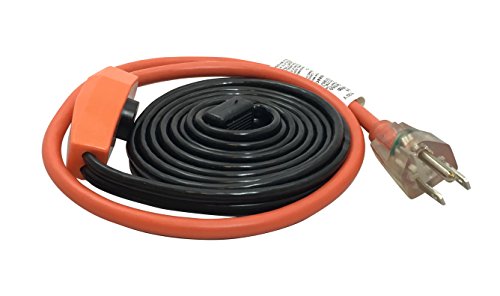
The Frost King kit provides a straightforward, out-of-the-box solution for 6-foot runs. It is designed to keep water flowing down to -40°F, suitable for both metal and plastic water pipes. The 120V layout and included components support quick installation for small or mid-length pipe sections, making it a practical choice for small outdoor lines or as a supplementary segment in larger installations.
3FT-200FT Heat Tape For Water Pipes (WABUPD)
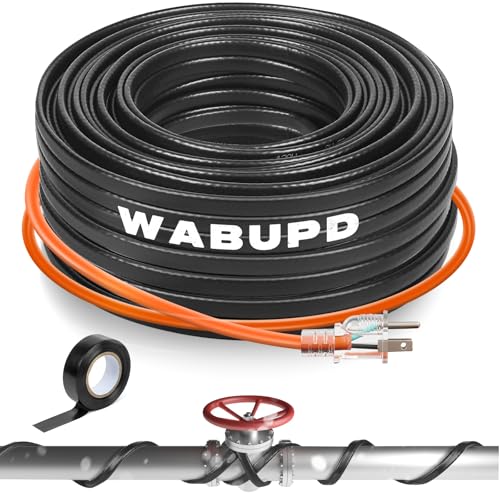
This range covers a broad length spectrum, from 3 to 200 feet, with 5W/ft, making it versatile for long exterior runs. The design highlights a thermostat that activates around 38°F and deactivates at approximately 55°F, aiming to optimize energy use while protecting pipes from -45°F cold. It emphasizes robust exterior performance and a durable build with metal retainers to help secure the tape, reducing the risk of slippage in windy or snowy conditions.
MAXKOSKO 24 Ft Heating Cable for Pipe Freeze Protection

MAXKOSKO offers a 24-foot self-regulating heat trace solution designed for metal and plastic pipes. It maintains water flow down to -40°F and includes a built-in thermostat with a 3-foot power cord. The product emphasizes energy efficiency and compatibility across pipe materials, helping prevent pipe freezing in varied installations. The included metal retainers enhance adhesion and long-term stability on challenging surfaces.
JDZKOMKE 50Ft Pipe Heating Cable

JDZKOMKE’s 50-foot model features full-cable UL certification, a rugged aluminum shield, and a TPE jacket for UV and chemical resistance. It includes a 5-foot grounded plug with an indicator light and is backed by product liability insurance. The design targets reliable freeze protection for water-filled pipes, maintaining flow in harsh winter conditions while offering durable construction suitable for exposed or buried installations.
HEATIT 30ft Self-Regulating Cable
The 30-foot HEATIT option mirrors the safety emphasis of the longer model with ETL listing for the entire cable, not just the plug. It protects pipes down to -40°F and includes a 2-foot power cord. That combination of full-cable certification, reliable self-regulation, and a compact length makes it suitable for shorter run networks or tight installations where space is at a premium.
Buying Guide
Key purchase considerations help match a heat trace cable to your needs. First, confirm your pipe material (metal, plastic, or both) and the required length to cover the run without gaps. Self-regulating cables adjust heat output to prevent overheating, conserving energy and reducing fire risk. Safety certifications matter: look for ETL/UL marks that cover the entire cable and the plug. Temperature targets are crucial; most pipes require protection down to -40°F, but confirm your climate. Installation components, such as metal retainers or compatible mounting hardware, impact long-term reliability. Outdoor exposure, UV resistance, and chemical tolerance are essential for exposed or underground runs. Compare warranty terms and insurance coverage for added peace of mind. Finally, plan for maintenance accessibility—inspection points and easily accessible outlets help sustain performance across freezing seasons.