Choosing the right GU10 LED bulbs for a range hood helps ensure bright, consistent illumination while saving energy. The options below highlight reliable, dimmable and non-dimmable choices designed for kitchen use, with waterproof or heat-resistant features for busy cooking environments. This guide compares performance, longevity, and ease of installation to help you pick a practical replacement for halogen range hood bulbs.
| Product | Brand | Key Benefit | Color Temperature |
|---|---|---|---|
| LPSAFP LED GU10 Range Hood Bulbs | LPSAFP | Dimmable; IP65 waterproof; 25,000-hour life | 3000K |
| TobeBright GU10 LED Range Hood Bulbs | TobeBright | 5000K daylight; dimmable; energy efficient | 5000K |
| Lepro GU10 4W LED Bulbs | Lepro | Non-dimmable; long life; 350 lm | 5000K |
| Zorvoxly Waterproof GU10 LED Bulbs | Zorvoxly | Waterproof; 5W; high brightness | 3000K |
| KOHEOPT GU10 LED 5W | KOHEOPT | Long life; 5000K; energy efficient | 5000K |
Note: This article presents a balanced view of dimmable and non-dimmable options, focusing on performance in range hood settings. All specifications reflect typical uses such as under-hood lighting, track lighting, and kitchen appliances where reliability and energy efficiency are priorities.
LPSAFP GU10 LED Range Hood Light Bulbs

These 6W dimmable GU10 bulbs replace 50W halogen lamps with a 45-degree beam angle and up to 25,000 hours of life. They come in a 2-pack with a small installation tool for easy setup. 3000K warm white light creates a cozy cooking atmosphere. Suitable for range hoods, ovens, and under-hood lighting in homes, offices, and restaurants.
TobeBright GU10 LED Range Hood Bulbs

6W bulbs with 5000K daylight white light provide a crisp, detailed view of cooking tasks. Dimmable and energy-efficient, these bulbs deliver long-term cost savings with brighter, clear illumination for countertops and cooking areas.
Lepro GU10 4W LED Bulbs
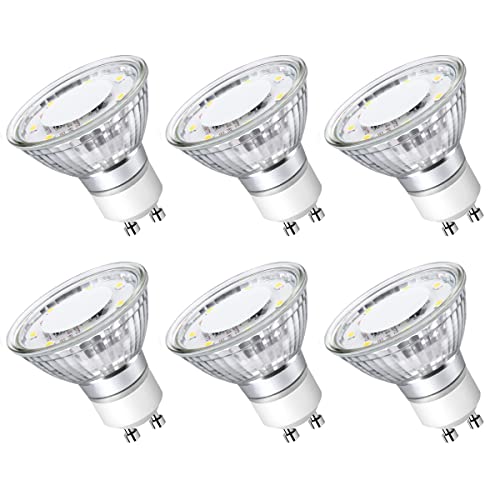
These 4W non-dimmable GU10 bulbs provide 350 lm at 5000K daylight. Aimed at track lighting and range hood tasks, they offer long life and energy savings, with easy installation via standard GU10 bases and a 100° beam angle.
Zorvoxly Waterproof 5W GU10 LED Range Hood Bulbs
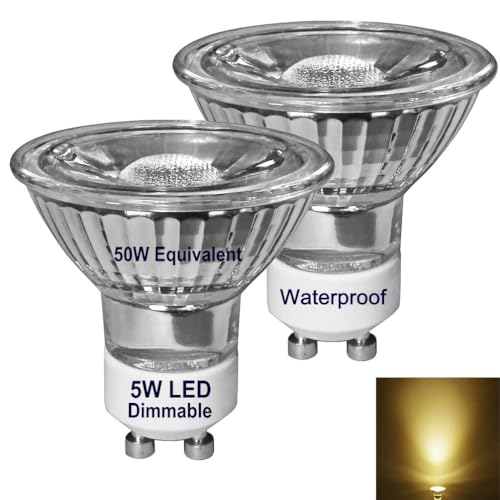
This 5W GU10 bulb is waterproof and dustproof, suitable for kitchens, stoves, and under-hood lighting. It uses high-brightness LEDs for instant-on, with an energy-efficient design that aims to replace 50W-60W halogen bulbs while reducing energy use by over 85%.
KOHEOPT GU10 LED 5W Bulb

5W dimmable daylight GU10 bulbs offer 500 lm and a 25000+ hour lifespan. With a 5000K color temperature and easy plug-and-play installation, they are designed to be compatible with standard recessed lighting fixtures in kitchens, living rooms, and range hoods.
Buying Guide: Key Purchase Considerations
Energy efficiency: Look for bulbs that replace higher wattage halogen equivalents to maximize savings. Most GU10 LEDs use 4–6W to replace 50W halogens, delivering substantial energy reductions.
Beam angle and brightness: A 100°–45° beam angle is common for kitchen task lighting; choose a beam that directs light where it’s needed on your range hood and cooking area. Consider lumens (brightness) and color temperature to match your kitchen ambiance.
Color temperature: 3000K–5000K covers warm to daylight white. Warm white suits a cozy kitchen vibe, while daylight white helps with precise cooking tasks. Some models are dimmable for mood control and task lighting.
Durability and waterproofing: Range hoods can be exposed to steam and moisture. IP65-rated or waterproof bulbs provide better protection and longer life in these environments.
Installation and compatibility: GU10 base bulbs are typically plug-and-play, but verify base compatibility with your fixture, including any installation tool or hardware included. Some bulbs are non-dimmable and may flicker with dimmers.
Lifespan and warranty: Longer-lasting bulbs reduce replacements. Specs like 15,000–25,000 hours indicate durable performance; check warranty terms when available.
Price vs. performance: While price matters, prioritize energy savings, longevity, and light quality. A slightly higher upfront cost can pay off over the bulb’s lifetime with lower energy consumption and replacement frequency.