Finding dependable portable power for small homes means weighing peak watts, runtime, noise level, and fuel option. The selected generators below cover gas-powered and inverter models with RV outlets, CO sensors, and ECO modes to balance performance and efficiency for home backup, camping, and emergency use.
| Product | Peak Watts | Runtime (approx.) | Fuel Type | Key Feature |
|---|---|---|---|---|
| Oxseryn 4000W Inverter Generator | 4000 | Up to 14 hrs | Gasoline | Low THD, RV outlet, long run |
| Oxseryn 4000W Gas Open Frame | 4000 | Up to 14 hrs | Gasoline | ECO mode, dual 120V, RV port |
| PowerSmart 4400-Watt Inverter | 4400 | Up to 11 hrs | Gasoline | CO sensor, quiet operation |
| Westinghouse 4650 Peak Watt | 4650 | Up to 14 hrs | Gasoline | RV outlet, dual 120V, CO sensor |
| ZeroKor Portable Solar Generator 300W | 300 | Dependent on usage | Solar/Battery | 60W solar panel included, multiple outlets |
Oxseryn 4000W Inverter Generator—Open Frame, Quiet Power

Powerful yet portable, this inverter generator delivers 4000 peak watts and 3200 running watts, with a built-in 30A RV outlet and two 120V AC outlets. It includes a 12V DC port and a fuel gauge for easy monitoring. Its inverter technology provides clean energy with low THD suitable for laptops, phones, and cameras. A 2-gallon tank supports lengthy runtime, up to 14 hours at 25% load, making it a practical backup for storms or remote worksites.
Oxseryn Power Equipment 4000W—Low Noise Inverter

This 4000-watt gas-powered inverter generator offers ECO mode and inverter technology for stable, clean power. With two 120V outlets, a 12V DC port, and a dedicated RV outlet, it supports recreational vehicles and home backup scenarios. Runtime can reach around 14 hours at moderate load, aided by a 2-gallon tank and fuel gauge for quick checks during outages.
PowerSmart 4400-Watt Inverter—Quiet and Safe

With a starting wattage of 4400W and a rated 3600W, this inverter generator powers home and camping needs. A 1.6-gallon tank yields up to 11 hours of runtime at 25% load. It includes CO safety features and a quiet operation profile, making it suitable for suburban neighborhoods and RV parks where noise limits matter.
Westinghouse 4650 Peak Watt Portable Gen
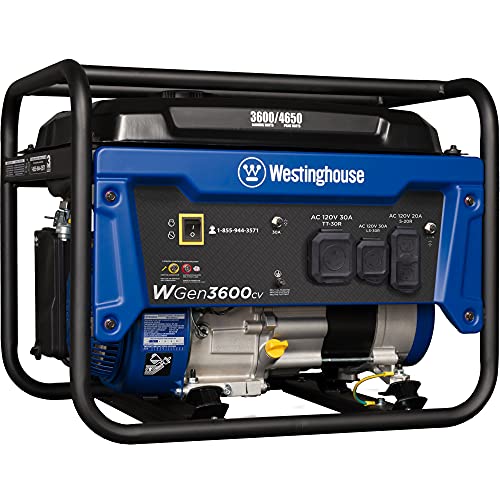
Offering 4650 peak watts and 3600 running watts, this generator supports RV setups with a 30A outlet and two duplex outlets. It includes a four-gallon tank with a fuel gauge and up to 14 hours of run time per tank. Safety features include CO monitoring with automatic shutdown to protect households during operation.
ZeroKor 300W Portable Solar Generator

This solar-powered generator provides a compact, off-grid solution with a 60W foldable solar panel and a 300W power station. It includes multiple outlets (AC, DC, USB) and an SOS flashlight for emergencies. It’s ideal for lightweight camping, small-device charging, and short power outages where fuel availability is limited.
Buying Guide: Key Purchase Considerations For Small Homes
- Power needs: Match peak and running watts to your essential devices. For small homes, consider models with at least 3000-4500 peak watts to cover lighting, refrigeration, and small appliances during outages.
- Fuel type and availability: Gasoline-powered units are common and easy to refuel, while inverter models offer cleaner power and better efficiency. Consider fuel capacity and runtime expectations for your outage duration.
- Inverter vs. conventional: Inverter generators produce cleaner power suitable for electronics; they are typically quieter and more efficient, though sometimes costlier than conventional portable units.
- Noise and emissions: If you live in a neighborhood or RV park, opt for models with ECO mode or low THD and CO sensors. CO shutdown features are a strong safety addition for indoor or semi-enclosed use.
- Outlets and RV compatibility: Ensure the generator provides the outlets you need (120V, RV 30A, USB, etc.). RV-ready models are helpful if you use an RV for power needs.
- Runtime and fuel gauge: Look for larger fuel tanks or long runtimes if outages are extended. A built-in fuel gauge helps avoid unexpected shutdowns.
- Portability and setup: Open-frame designs are rugged for outdoor use, while compact inverter units excel in portable, emergency contexts. Consider the included wheels, handles, and overall weight.
- Maintenance considerations: Check for easy oil changes, accessible spark plugs, and availability of replacement parts. A reputable brand with good warranty support reduces long-term risk.
- Solar options and hybrid setups: If you want quieter operation and lower emissions, solar-powered or hybrid models offer clean backup power with limited sustainment for higher loads.
- Budget and reliability: Balance upfront cost with expected longevity. Reading retailer reviews and warranty terms helps gauge reliability for your climate and usage patterns.