When planning RV trips or preparing for emergencies, selecting a dependable gas-powered generator is essential. This guide highlights top RV-ready options that balance power, fuel efficiency, noise, and portability. Each model below is well-suited for recreational vehicles, camping, and home backup, with features like RV outlets, CO sensors, and inverter technology to protect sensitive electronics. Explore five strong choices and a practical buying guide to help you compare engines, runtimes, and safety features.
| Product | Power (W) | Type | Key Features | RV Readiness |
|---|---|---|---|---|
| Oxseryn 4000W Inverter | 3200 run / 4000 peak | Inverter | Low THD, ECO mode, 2 gal tank | Yes, 30A RV outlet |
| WEN DF5600X | 4500 run / 5600 surge | Dual Fuel | Electric start, CO watchdog | Yes, RV-ready via TT-30 |
| Oxseryn 4000W Open Frame | 3200 run / 4000 peak | Open Frame | 2x120V outlets, 30A RV outlet | Yes |
| PowerSmart 4400W | 3600 run / 4400 surge | Inverter | CO-sensor, lightweight | Yes, suitable for RV use |
| Westinghouse 4650W | 3650 run / 4650 surge | Gas | Multiple outlets, long runtime | Yes, RV outlet |
Oxseryn 4000W Inverter Generator

Powerful yet portable, the Oxseryn 4000W Inverter delivers 4000 peak watts and 3200 running watts, making it suitable for RV camping, emergency home backup, and running power tools. It includes a 30A RV outlet, two 120V AC ports, and a 12V DC port. Inverter technology provides clean, stable power with low total harmonic distortion (THD), protecting electronics like laptops and cameras. With a built-in 2-gallon fuel tank and fuel gauge, it runs up to 14 hours at 25% load, helping you avoid unexpected shutdowns during storms or blackouts.
WEN 5,600-Watt Dual Fuel Portable Generator

Featuring a dual-fuel design, this generator runs on gasoline (5600 surge / 4500 rated watts) or propane (5000 surge / 4050 rated watts). An electric start simplifies startup, and the WEN Watchdog CO Shutdown Sensor adds safety by automatically cutting power if dangerous carbon monoxide levels are detected. It is a practical option for RV owners seeking flexibility in fuel choices and reliable automatic shutdown in CO-rich environments.
Oxseryn Power Equipment 4000W Inverter (Open Frame)

This Oxseryn model mirrors the 4000W inverter platform with a 208cc OHV engine, designed for RV camping and home backup. It offers dual 120V outlets and a dedicated RV port, alongside ECO mode to conserve fuel. The inverter technology ensures clean power for sensitive devices, while the compact open-frame design enhances portability for outdoor use and quick setup at campsites or job sites.
PowerSmart 4400-Watt Portable Inverter

PowerSmart’s 4400-watt portable inverter emphasizes quiet operation and efficient runtime. It delivers 3600 running watts with a maximum 4400 surge, and its 1.6-gallon tank provides about 11 hours of runtime at 25% load. A CO-sensor helps monitor air quality, making it a practical choice for RV parks and campgrounds where noise and emissions matter.
Westinghouse 4650 Peak Watt Generator
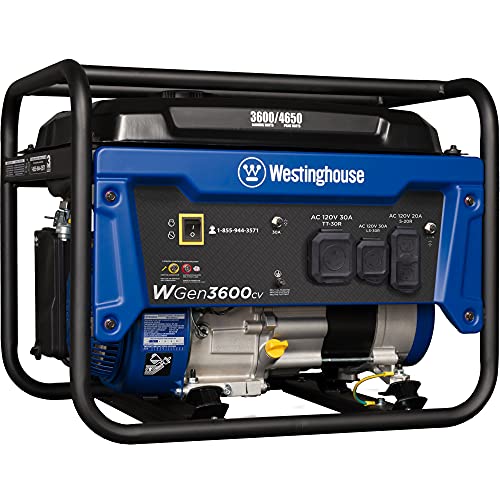
With 3600 running watts and 4650 peak watts, this Westinghouse unit is built to power RVs and larger appliances. It features a 4-gallon fuel tank with a fuel gauge, delivering up to 14 hours of runtime per tank. The generator supplies multiple outlets, including RV-ready options, and comes with basic accessories to help you start quickly and safely.
Buying Guide: Key Considerations For Your RV Generator
When evaluating gas-powered generators for RV use, several factors influence performance and suitability. Start with power needs: determine the total running watts of essential appliances and any air conditioners. Consider peak watts for startup surges, especially with motors and compressors. Fuel strategy matters: dual-fuel options offer flexibility, while inverter generators provide cleaner power with better fuel efficiency for sensitive electronics. Noise level is important in campgrounds; look for units labeled as quiet or with ECO modes to minimize disruption. RV compatibility is crucial: ensure you have an appropriate RV outlet (usually a 30A TT-30) and that the unit can handle your RV’s electrical demands. Runtime and fuel capacity affect convenience during outages or remote camping. Finally, safety features like CO sensors and automatic shutoff add peace of mind for family use.
Consider the trade-offs between portability and peak power: inverter models tend to be quieter and lighter but may provide less maximum wattage than traditional open-frame generators. If you frequently power heavy-load devices or multiple appliances, a dual-fuel or higher-watt model may be advantageous. Always verify outlet types, automatic shutdown features, and warranty coverage before purchasing to ensure the generator matches your RV lifestyle and safety requirements.