For cabin living, a compact solar power kit can provide steady, off-grid energy without the complexity of a full system. This article highlights five practical kits focused on ease of use, durability, and dependable daily output. Each option is suitable for small cabins, RVs, campers, and other remote spaces where reliable sun-powered electricity matters. Explore the top picks, clear specs, and guidance to help you choose a kit that fits your needs and climate.
| Product | Key Strength | Approx. Output Notes | Ideal For |
|---|---|---|---|
| ECO-WORTHY 200W Panel Kit with 30A PWM Controller | High efficiency mono panels, robust frame | Daily output around 800Wh under 4 hours sun | River cabin, RVs, campers |
| ECO-WORTHY 200W Complete Starter Kit | All-in-one with battery and inverter | 800Wh daily output under 4 hours sun | First-time off-grid users, cabins |
| Renogy 200W Portable Foldable Blanket | Ultra-portable, foldable design | Good for power stations and camping setups | Temporary cabins, camping, vehicles |
| Renogy 400W Portable Suitcase | Sturdy, IP67 waterproof, two-way portability | High efficiency, multi-use for off-grid | Off-grid cabins, RVs, power outages |
| Renogy 200W Portable Foldable Panel (IP65) | Compact, waterproof, durable | Backup and charging for small systems | Backcountry cabins, boats, camping |
These selections cover a range of priorities: from simple plug-and-play kits ideal for beginners, to highly portable panels for flexible cabin setups. All options emphasize durability against weather, straightforward installation, and compatibility with common battery types and inverters. The buying guide below helps compare the trade-offs among portability, power capacity, and install simplicity to fit your specific cabin climate and energy needs.
ECO-WORTHY 200W Panel Kit With PWM Controller

The ECO-WORTHY 200W Panel Kit combines a high-efficiency monocrystalline panel with a 30A PWM charge controller. It’s designed for off-grid applications such as RVs, campers, and small cabins. The kit notes a daily output of around 800Wh under four hours of full sun, a reasonable target in many American environments. The panel’s aluminum frame offers corrosion resistance and durability under wind and snow loads, while the IP65 rated junction box provides weather protection. This kit is well-suited to first-time installers seeking a straightforward, efficient setup with solid longevity.
Features include a large panel size (approximately 35.2 x 23.1 inches) for substantial daytime energy, compatibility with various 12V or 24V systems, and robust mounting potential. The combination of efficiency and sturdy construction makes it a practical option for cabins that have reliable sun exposure during peak daylight hours.
ECO-WORTHY 200W Complete Starter Kit
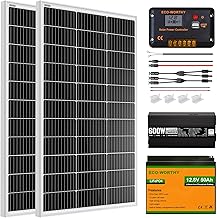
This beginner-friendly solar starter kit includes essential components for a ready-to-use off-grid system. With an 800Wh daily output expectation under four hours of sun, it’s practical for cabins, RVs, boats, or trailers. The design emphasizes a balanced approach: a 100W panel frame paired with tempered glass for resilience, a monocrystalline panel, and an IP65-rated, weather-resistant layout to endure wind and snow loads. The included LiFePO4 battery option promises a longer cycle life than traditional lead-acid, which helps when cabin power needs are spread across seasons.
The kit’s value lies in its all-in-one nature: the necessary accessories, connections, and a safe power solution packaged for straightforward delivery and setup. For cabins with modest energy requirements and a sunny climate, this kit simplifies the shift to solar without sacrificing future scalability.
Renogy Portable Foldable 200W Panel

Renogy’s foldable 200W blanket offers notable portability and space efficiency for cabin setups with a need for flexible layout. The N-type high-efficiency cells contribute to reliable output, making it suitable for use with power stations or as a supplementary panel for small cabins. The design emphasizes lightweight construction and compact storage, which helps when space is at a premium in a remote cabin. It is well-suited to travelers who want a robust, on-demand energy source without committing to a large permanent installation.
Renogy 200W Portable Power Panel IP65

Renogy’s 400W portable suitcase presents a robust option for cabins that require higher daytime energy or flexible placement. The foldable design, combined with IP67 waterproofing and durable construction, supports long-term outdoor use and simple setup. This kit is ideal for power outages or remote cabins where a dependable, high-capacity solar source is beneficial. Powerful enough to support multiple devices or small appliances, it pairs well with portable power stations and larger inverter configurations while maintaining travel-friendly portability for occasional reconfigurations.
Renogy 200W IP65 Foldable Panel

Compact and weather-ready, this foldable Renogy panel offers reliable performance in a small footprint. It’s designed for easy transport and quick setup, making it a practical choice for cabins that require flexible placement or seasonal adjustments. The IP65 rating adds weather protection, and the panel is compatible with common charging configurations for cabins, trailers, and power stations. Suitable for users who value portability without sacrificing essential solar capacity.
Buying Guide: Key Considerations For Choosing A Cabin Solar Kit
When selecting a solar kit for a small cabin, weigh these factors to ensure a solid match with your climate, energy needs, and future plans.
- Output needs: Estimate daily watt-hours for essential appliances (lights, fridge, chargers). Match this with the panel wattage and battery capacity to avoid shortfalls in winter or cloudy months.
- System type: Decide between a simple panel and controller, or a complete kit with battery and inverter. Starter kits reduce complexity but may limit expansion later.
- Battery chemistry and life: LiFePO4 batteries offer longer cycles and better longevity in varying temperatures, though at a higher upfront cost. Lead-acid remains common but requires more maintenance.
- Durability and weather resistance: For cabins in exposed locations, prioritize panels with corrosion-resistant frames, robust junction boxes, and IP-rated enclosures.
- Portability vs. permanence: If you move cabins seasonally or travel often, portable panels provide flexibility. Fixed installations can maximize space and efficiency in a permanent cabin.
- Expansion potential: Consider future needs such as additional lighting, heating fans, or small appliances. Choose a system that allows adding more panels, a larger battery bank, or a higher-capacity inverter.
- Installation and safety: Ensure proper wiring, surge protection, fusing, and grounding. If uncertain, consult a professional installer or follow manufacturer guidelines.
In evaluating the five options, consider your typical sun exposure across seasons, the cabin’s power profile, and how often you foresee relocating or reconfiguring the setup. A kit that balances upfront simplicity with future expandability often yields the best long-term value for a small cabin off-grid lifestyle.