Choosing the right soft start kit for an air conditioner can prevent voltage spikes, reduce energy surges, and prolong compressor life. This guide highlights top options available to American homeowners, RV enthusiasts, and small businesses. Explore trusted brands, installation ease, and compatibility with generators or limited utility power. Each product section below includes key features to help you compare at a glance and make an informed purchase.
Summary of Selected Products
| Product | Brand | Compatibility | Key Benefit |
|---|---|---|---|
| MICRO-AIR EasyStart FLEX 398 – Bluetooth Soft Start Kit | MICRO-AIR | Up to 6 tons, home, RV, commercial; generators/inverters | Reduces startup current by up to 75% |
| MICRO-AIR EasyStart FLEX 398 – Bluetooth Soft Start Kit | MICRO-AIR | Up to 6 tons, home, RV, commercial; generators/inverters | Extended equipment life via gentle startup |
| AIRGO AC Soft Starter | AIRGO | 1.75–3.5 Ton units | Soft start with reverse motor protection |
| eshcol Soft Start Kit for 08-16A AC | eshcol | 1.75–3.5 Ton; 220/230V | 70% startup current reduction; robust protections |
| SoftStartRV Soft Start for RV A/C | SoftStartRV (NetworkRV) | RV up to 36,000 BTU; works with small generators | 100% waterproof; quieter, smaller footprint |
MICRO-AIR EasyStart FLEX 398 (B0DKQN4XRJ)
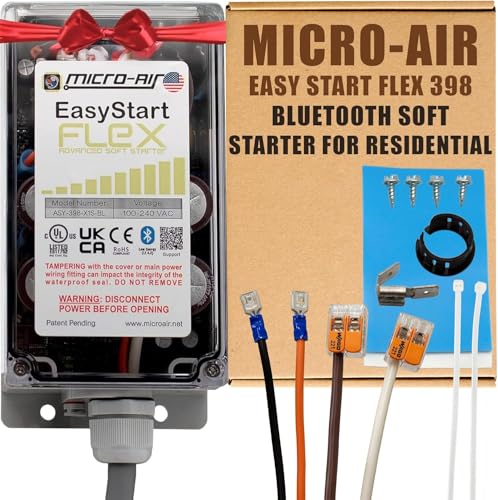
The Micro-Air EasyStart Flex is designed to be a versatile soft starter for residential and commercial AC systems up to 6 tons (72,000 BTUs). It provides a controlled, gentle startup to reduce mechanical stress and extend the life of the air conditioning system. The kit includes installation hardware for easier setup and is compatible with generators and inverters, reducing startup current by up to 75%. It supports two-stage compressors and heat pump configurations, offering broad applicability for diverse AC configurations.
MICRO-AIR EasyStart FLEX 398 (B0DJDJ87LR)
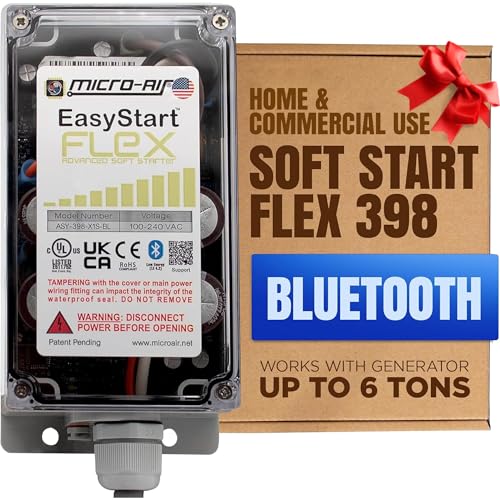
This second variant reiterates Micro-Air’s advanced technology for safe, efficient AC startups. It emphasizes compatibility with generators and inverters, with a notable reduction in startup current by up to 75%. The system is suitable for home and commercial installations and is compatible with 2-stage compressors, providing reliability in off-grid or power-constrained environments.
AirGo AC Soft Starter

The AIRGO soft starter focuses on gentle ramp-up for a wide compatibility range, typically supporting most residential AC units in the 1.75–3.5 ton range. It emphasizes soft-start technology to extend unit life by reducing startup stress, with a DIY-friendly aspect that helps users install the unit inside the air handler or near the AC system. This option is suited for users seeking a straightforward, inside-unit solution.
eshcol Soft Start Kit for Home AC

The 08-16A eshcol soft start kit provides wide compatibility for 1.75–3.5 ton residential units at 220/230V. It reduces startup current by up to 70%, promoting smoother starts for older or limited circuits. The kit also includes protection features to guard against reverse operation, overcurrent, and potential wiring errors. It suits DIY installers seeking robust, multi-protection performance in a compact enclosure.
SoftStartRV Soft Start for RV A/C

SoftStartRV focuses on RV applications, delivering a compact, waterproof solution designed to start rooftop A/Cs and other appliances on limited power. Its capability to power multiple devices from a modest generator enhances RV reliability, enabling quieter operation and reduced generator load. A smaller footprint helps fit low-profile RV A/C units while maintaining efficient performance.
Buying Guide: Key Purchase Considerations
Selecting the right soft start kit involves evaluating several factors to ensure compatibility, performance, and value. Consider the following perspectives to make a balanced choice.
- Unit compatibility: Verify tonnage ranges (1.75–3.5 tons or up to 6 tons) and whether the kit supports heat pumps, two-stage compressors, or single-stage configurations. This prevents mismatches with your AC system.
- Power source and location: If you rely on generators, inverters, or limited utility power, ensure the kit’s design accounts for inrush current, surge protection, and the installation location (inside the unit vs. outdoor cabinet).
- Startup current reduction: Look for a quantified reduction (e.g., 70–75%). Higher reductions generally translate to smoother startups and fewer trips, especially on older circuits.
- Installation complexity: Some kits come with comprehensive installation kits and step-by-step guidance, while others are more DIY-friendly but may require more electrical knowledge.
- Protection features: Reversal motor protection, overcurrent protection, low-voltage safeguards, and flame-retardant enclosures improve longevity and safety in diverse environments.
- Waterproofing and environmental suitability: For RV or outdoor installations, waterproof and corrosion-resistant designs are essential for durability in harsh conditions.
- Size and footprint: RV applications benefit from compact, low-profile modules that fit within tight spaces without hindering airflow or maintenance.
- Warranty and support: Check manufacturer warranties and access to support for troubleshooting during installation and operation.
- Ease of maintenance: Some kits require minimal ongoing maintenance beyond basic inspection, while others need periodic checks on wiring and connectors.
When evaluating options, balance upfront installation effort with long-term benefits such as reduced compressor wear, fewer tripped breakers, and compatibility with energy sources you already use. For RV owners or off-grid users, prioritizing compact designs and reliable generator compatibility can yield the most practical value.