Propane gas leaks pose serious risks in homes, RVs, and kitchens. The right detector provides rapid alerts, helping you act quickly to protect loved ones and property. Below are five reliable options with a mix of plug-in and portable designs, offering multi-gas detection, digital readouts, and robust alarms to suit different spaces.
The following table summarizes the selected products and their key capabilities:
| Product | Type | Detection | Power | Notable Features |
|---|---|---|---|---|
| Kidde Carbon Monoxide Detector | Plug-In CO Alarm | CO + gas detection | 120V with 9V backup | Digital LED display; standalone gas alarm indication |
| NICGOL 4-in-1 Detector | Plug-in 4-in-1 | Natural gas, CO, gas, temp, humidity | 110V–220V AC | Dual-sensor with rapid alerts; energy-efficient |
| TOPTES PT520A | Portable gas detector | Methane, propane, natural gas, LPG, butane | Battery-powered | 17-inch gooseneck; quick 0.5s response; LED bars |
| Xalire Gas Leak Detector | Plug-in detector | Multiple flammable gases | AC 120V-240V | LED display; 85dB alarm; home and RV use |
| Firlarm Natural Gas Detector | Plug-in gas detector | Natural gas, propane, LNG, LPG | 110V–220V AC | LED digital display; 85dB alarm |
Note: Each product is selected for broad applicability to households, RVs, and kitchens, emphasizing fast alarms, clear indications, and ease of use.
Kidde Carbon Monoxide Detector
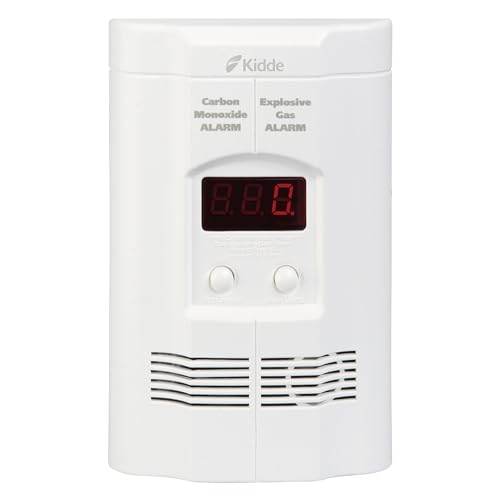
The Kidde device combines gas detection with a plug-in 120V outlet and a 9-volt battery backup for continued protection during power outages. A Digital LED display shows the CO level detected or indicates GAS when explosive gas is present. This detector is suitable for standard home outlets and provides visible status cues to help users respond quickly during a leak event.
NICGOL 4-in-1 Detector

NICGOL’s 4-in-1 system integrates natural gas detection, carbon monoxide sensing, temperature, and humidity monitoring. It uses dual-sensor technology and a reinforced alert mechanism to deliver rapid environmental analysis and multi-dimensional hazard prevention. The product is designed for versatility, with a US-standard plug adapter supporting 110V-220V AC and energy-efficient operation to reduce standby consumption.
TOPTES PT520A Natural Gas Detector

The PT520A offers a 17-inch gooseneck and a portable form factor for locating gas leaks in tight spaces. It detects methane, propane, natural gas, LPG, and butane, with a rapid 0.5-second response and a 75dB audible alarm. The device features a detection range of 50-10,000 ppm and a narrow detection distance, making it ideal for pinpointing sources in kitchens, basements, or RV compartments.
Xalire Gas Leak Detector

Xalire’s detector is a versatile plug-in unit suitable for homes and RVs. It detects multiple flammable gases, including natural gas and propane, and provides a real-time LED display with an 85dB audible alarm. The device is designed for reliability in both residential and mobile environments, offering clear concentration readings to support prompt action during a leak.
Firlarm Natural Gas Detector

Firlarm’s plug-in detector focuses on natural gas and propane, offering a LED digital display and an 85dB audible alarm. It supports 110V–220V AC and is designed for straightforward installation in kitchens or utility rooms. The device’s rapid alerts help users respond to leaks before they escalate into larger safety issues.
Buying Guide: Key Purchase Considerations
When selecting a propane gas leak detector, consider how you will use the device and the environment where it will be placed. Below are several critical factors and comparisons to help you choose the right model.
- Detection scope: For complete protection, a 4-in-1 detector that covers natural gas, propane, CO, temperature, and humidity offers broader coverage than a single-gas detector.
- Power options: Plug-in detectors provide constant power but rely on outlet availability; battery backups or portable detectors can operate during outages but may require battery replacements.
- Alarm signaling: Look for devices with both audible alarms and visual indicators (LEDs or flashing lights) to ensure visibility in noisy areas or when you are away from the detector.
- Response speed: Quick-response units (often 0.5 seconds or less) help identify leaks sooner, enabling quicker evacuation or remediation.
- Display readability: Digital displays showing gas concentration (ppm or %LEL) improve situational awareness, especially in RVs or utility rooms.
- Mounting and placement: Place detectors near kitchens, gas appliances, and enclosed spaces where leaks are likely. Avoid placing them near vents, windows, or high-humidity areas that might cause false alarms.
- Maintenance: Consider units with long sensor life and low maintenance requirements. Some detectors require periodic sensor recalibration or replacement after a certain period.
- Certifications and safety standards: Check for UL or equivalent certifications and ensure devices meet local safety regulations for home or RV use.
- Multi-unit ecosystems: If you have a larger space or multiple rooms, a combination of plug-in and portable detectors can provide comprehensive coverage without gaps.
These considerations help balance coverage, reliability, and convenience for households, RV owners, and travelers seeking propane gas leak protection.