When outages hit, a portable generator with a proper transfer switch keeps vital circuits powered without backfeeding or unsafe wiring. This guide reviews top portable generator transfer switches, helping homeowners choose devices that enhance safety, reliability, and ease of use. Below, you’ll find five well-rated options spanning manual and automatic transfer solutions, each pairing compatibility with common portable generators and home panels.
Overview: Selected Products
| Product | Brand | Type | Key Benefit |
|---|---|---|---|
| EZ GENERATOR SWITCH | EZ Generator Switch | Manual transfer switch | Original patented design; US-made; UL/CSA/ETL approved |
| 100A Generator Transfer Switch | MUJURUR | Manual transfer switch | High amperage, 24,000W capacity; robust steel housing |
| Reliance Controls 306CRK | Reliance Controls | Manual transfer switch | Six circuits; easy install adjacent to load center |
| Connecticut Electric EmerGen Kit | Connecticut Electric | Manual transfer switch kit | 10-circuit, 30A; versatile indoors/outdoors |
| Westinghouse 6500W | Westinghouse | Transfer switch-ready portable gen | Multiple outlets; 30A transfer-ready and RV-ready |
Each option below is presented with a concise product summary, benefits, and compatibility notes. This helps you compare features like amperage, circuit capacity, outdoor durability, and ease of installation.
EZ Generator Switch: Original Manual Transfer Switch

The EZ Generator Switch is positioned as the original, patented manual transfer switch. It is manufactured in the United States by a veteran-owned company and carries UL/CSA/ETL approvals. This device emphasizes reliability with real-world customer support and a design that minimizes the risk of backfeed when switching between utility and generator power. It is particularly suitable for homeowners seeking a straightforward, field-tested solution.
MUJURUR 100A Manual Transfer Switch

Designed to handle higher loads, this 100A transfer switch supports up to 24,000 watts. It is intended for switching power from the utility to an auxiliary generator or solar system, enabling seamless power management. Its all-metal construction emphasizes durability, with galvanized steel housing and robust aluminum conductors. The unit adheres to NEMA 3R standards, making it suited for outdoor or indoor installations while resisting weather, moisture, and rust. Wire capacity accommodates larger homes and high-demand appliances.
Reliance Controls 306CRK: 6-Circuit Transfer Kit

The Reliance Controls 306CRK provides a six-circuit transfer capability, allowing several loads to be safely managed by a portable generator during an outage. This kit is designed to mount adjacent to the existing load center, simplifying installation for many homeowners. It emphasizes practical circuit distribution to maintain critical loads without overloading the panel, making it a versatile option for mid-sized homes and essential devices.
Connecticut Electric EmerGen Transfer Kit: 30 Amp, 10-Circuit
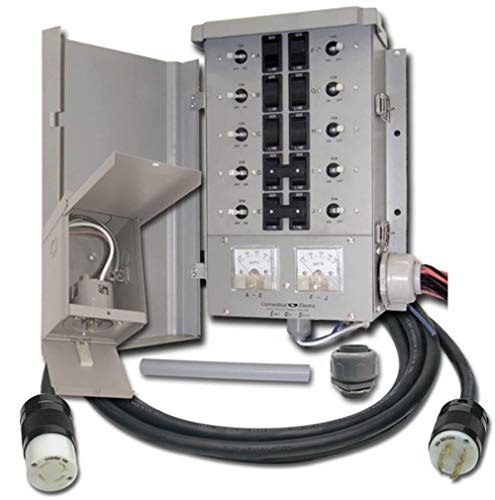
This 30-amp transfer switch kit supports up to 10 circuits, making it suitable for smaller homes or essential-load configurations. It is designed for safety with a L14-30 receptacle and offers four 2-pole 240V circuits, with removable tie bars to enable additional single-pole circuits if desired. The unit is rated NEMA 3R for weather resistance, allowing indoor or outdoor installation and broad use across environments.
Westinghouse 6500W Transfer-Ready Portable Generator
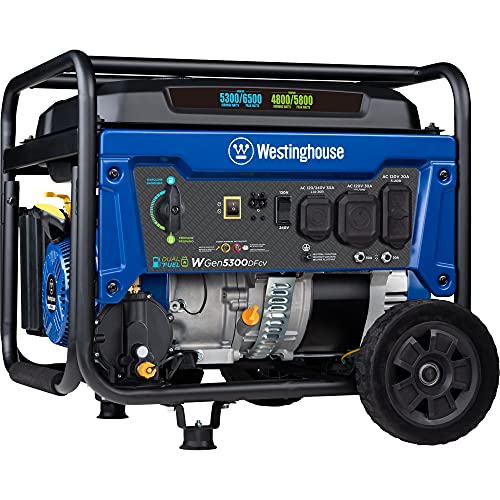
The Westinghouse dual-fuel portable generator is a complete, transfer-switch-ready unit with multiple outlets, including a 30A transfer-ready outlet and RV-ready 30A. It provides 6500 peak watts and 5300 running watts on gasoline, with propane running at 5800-6500 watts depending on mode. Its design includes a 4.7-gallon tank and up to 14.5 hours of runtime. This model is suitable for users seeking turnkey readiness with a focus on RV compatibility and built-in CO sensors for safety.
Buying Guide: Key Purchase Considerations For Generator Transfer Switches
When selecting a portable generator transfer switch, consider how you’ll use it, the size of your home, and your safety priorities. The following perspectives help you evaluate options:
- Power capacity and circuits: Match amperage and circuit counts to essential loads you want to power during an outage. Manual switches are straightforward for limited circuits, while larger homes may require 6–10 circuits or higher amperage to protect critical devices.
- Installation location and mounting: Some units install adjacent to your main panel; others mount behind a meter or require outdoor installation. Weather resistance (NEMA ratings) matters for outdoor setups.
- Durability and materials: Galvanized steel housings and corrosion-resistant conductors improve lifespan in harsh conditions. Consider models with robust wire management to accommodate tighter bends and longer run requirements.
- Reliability and approvals: UL/CSA/ETL listings indicate compliance with safety standards. Brands with established support networks help with troubleshooting and component replacement.
- User experience: Manual switches require operator action during outages, while automatic switches detect power loss and transfer automatically. LED indicators and clear labeling aid quick, correct operation.
- Compatibility: Ensure the switch is compatible with your generator’s output, receptacle type (NEMA configurations), and your home’s electrical panel. Some units support both portable generators and fixed-site configurations.
- Cost vs. value: Higher-capacity switches and kits may be pricier but can prevent overloading and reduce risk of backfeed. Weigh installation complexity against long-term safety and convenience.
In summary, a manual transfer switch offers simplicity and reliability for smaller loads, while higher-capacity or automatic options better serve larger homes, frequent outages, or users seeking hands-off operation. Always follow manufacturer installation instructions and consider professional electrical support if unsure about wiring connections or panel compatibility.