Plug-in carbon monoxide detectors with battery backup offer continuous protection against this silent threat, even during power outages. This guide covers top-rated models that pair easy installation with reliable backup power, helping American homes stay safe without frequent battery changes or manual monitoring. Read on to compare features, display types, sensor technology, and backup options to find the right model for bedrooms, living rooms, and travel needs.
Summary of chosen products:
- Kidde Carbon Monoxide Detector, Plug in Wall with AA Battery Backup — 120V plug-in with AA battery backup; 85 dB alarm.
- Kidde Carbon Monoxide Detector, Plug In Wall with 9-Volt Battery Backup — 120V plug-in with 9V backup; digital LED display.
- First Alert CO615 Dual-Power Plug-In CO Detector — Digital display; battery backup; advanced electrochemical sensor; peak level reporting.
- X-Sense Plug-in Carbon Monoxide Detector, AAA Backup — 10-year lifetime; dual power (AC with backup); compact design for travel.
- SITERWELL Plug in Carbon Monoxide Detector with 10-Year Battery — 10-year battery backup; easy plug-in; audible warning and reliable sensors.
Kidde Carbon Monoxide Detector, Plug in Wall With AA Battery Backup
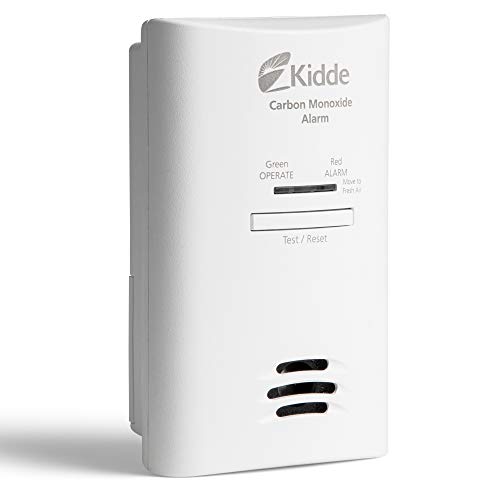
The Kidde model offers straightforward installation by plugging into a standard 120V outlet. Its two-AA battery backup ensures monitoring continues during power outages, and the 85-decibel alarm provides audible warning when carbon monoxide is detected. This detector is designed for quick setup and reliable backup power, making it suitable for bedrooms and living spaces where continuous coverage matters.
Key considerations:
– Backup power type: AA batteries provide a simple, replaceable reserve.
– Alarm severity: A loud 85 dB alert helps ensure occupants wake up and take action.
– Display: This variant emphasizes a straightforward status signal rather than a digital readout, which keeps usage simple.
Potential limitations: Some users may prefer additional features like a digital display for real-time CO levels.
Kidde Carbon Monoxide Detector, Plug In Wall With 9-Volt Battery Backup

This model adds a digital LED display to show the level of carbon monoxide detected, which can aid in quick assessments and preventive actions. The 120V plug-in operation is complemented by a 9-volt battery backup to maintain monitoring during outages. The combination of a digital readout and backup power makes it a practical choice for those who want to monitor CO trends over time and maintain visibility into sensor readings.
Key considerations:
– Back-up power: 9V battery backup keeps the unit active during outages.
– Display: Digital LED provides numeric CO readings for awareness.
– Installation: Simple, plug-in installation suitable for most homes.
Consideration: If you prefer simple alarms without a display, this model adds more information at the cost of a slightly more complex interface.
First Alert CO615 Dual-Power Plug-In CO Detector
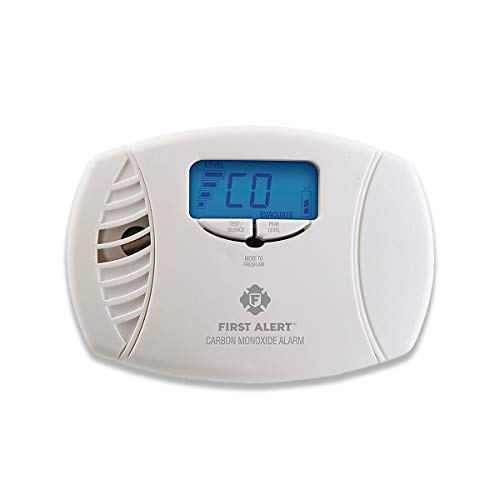
The First Alert CO615 combines a digital display with a reliable dual-power configuration, ensuring continuous monitoring whether or not the main power is available. It features an electrochemical CO sensor and a peak level feature that shows the highest CO concentration reached. The 85 dB alarm provides a robust alert, and the device is designed for easy installation in standard outlets, making it a strong option for family safety in high-traffic areas.
Key considerations:
– Sensor technology: Electrochemical sensor for accurate readings.
– Display and peak reporting: Digital readout with peak level indicator informs history of exposure.
– Battery backup: Ensures operation during outages; suitable for homes with unstable power supply.
Note: Some users may want additional wireless interconnectivity or smart home integration which this model does not include.
X-Sense Plug-in Carbon Monoxide Detector, AAA Backup

The X-Sense XC0C-SA emphasizes a decade-long lifespan with a plug-in design that uses an AC power source plus a backup battery. It provides 24/7 protection and is shaped for easy placement in common living spaces. A compact form factor helps with placement in areas where space is at a premium, and the 120 V mains power minimizes constant battery changes while ensuring reliable operation during outages.
Key considerations:
– Longevity: A 10-year lifespan reduces maintenance over time.
– Power options: AC power with a backup battery for continuous coverage.
– Travel-friendly: Compact size can be suitable for travel scenarios, though ensure compatibility with local mains voltage.
SITERWELL Plug in Carbon Monoxide Detector With 10-Year Battery

This detector offers a 10-year battery backup alongside a plug-in design for continuous AC power. It emphasizes a foldable plug for travel and a sensitive electrochemical sensor for reliable CO detection. The audible warning helps ensure occupants respond quickly, and the device is designed for both home and travel use, including hotels or temporary accommodations where safety is a priority.
Key considerations:
– Battery longevity: 10-year backup battery reduces maintenance.
– Sensor quality: Electrochemical sensor aims for accuracy with minimal false alarms.
– Travel-friendly design: Foldable plug supports convenient packing without bulky adapters.
Buying Guide: Key Purchase Considerations And Comparisons
When choosing a plug-in CO detector with battery backup, consider how you prioritize installation ease, clarity of CO readings, backup power type, and expansion potential in a home network. The following perspectives help illuminate common trade-offs.
- Backup power: AA or 9V batteries offer straightforward replacement, while built-in long-life batteries (often 7–10 years) reduce maintenance. Think about how often you’re willing to replace batteries and whether you want to minimize outages during storms or outages.
- Display type: Digital CO readouts provide real-time levels and historical data (peak levels), which can aid in assessing risk but may add interface complexity. Simple audible alarms are easy to understand but provide less context.
- Sensor technology: Electrochemical sensors are standard for accurate CO detection. Some models pair the sensor with additional features like temperature display or humidity readings that can be useful in specific spaces (kitchens, garages).
- Power integration: Most units are designed for 120V outlets. If you have higher voltage requirements or need travel flexibility, ensure the device supports compatible outlets and voltage standards in travel destinations.
- Smart features and interconnectivity: This guide focuses on standalone detectors. If you want networked alerts or mobile notifications, you’ll want models with smart home compatibility, which may not be present in all plug-in options.
- Placement strategy: Place detectors in sleeping areas and near potential CO sources. Consider multiple detectors for larger homes to ensure early warning across rooms.
- Maintenance: Check replacement intervals for batteries (if applicable) and test buttons regularly to confirm proper operation. A simple test button helps verify alarm function without exposing occupants to CO.
In summary, the best choice depends on whether you value a visible CO level readout, the longest possible backup life, or the simplest plug-in installation. The selected options here prioritize reliable power backup, clear audible alerts, and straightforward installation, making them suitable for American homes seeking dependable carbon monoxide protection without complex setup.