Protecting your home from gas leaks requires reliable detectors that identify natural gas, methane, propane, and other combustibles quickly. This guide highlights five top picks, covering plug-in models, portable sniffer devices, and commercial-grade options. Each product is chosen for fast response, clear alerts, and ease of use in kitchens, RVs, garages, and apartments. Read on to compare features, sensing ranges, and installation considerations to help you pick a safe, compliant detector for everyday living.
| Product | Brand |
|---|---|
| Gas Leak Detector for Home, Plug-in Natural Gas Detector | Firlarm Store |
| Kidde Carbon Monoxide Detector, Propane, Natural, Methane | Kidde Store |
| PT199 Natural Gas Leak Detector | TOPTES Store |
| Gas Leak Detector by Forensics | FORENSICS DETECTORS FD Store |
| PT520A Natural Gas Detector | TOPTES Store |
Gas Leak Detector for Home, Plug-in Natural Gas Detector
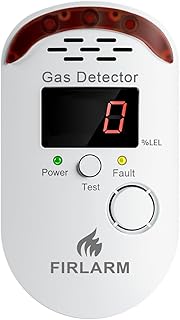
The Firlarm Store detector provides continuous 24/7 monitoring for natural gas, LPG, and town gas. It features a clear LED display showing gas concentration and an audible alarm up to 85 dB. A red indicator light flashes when danger is detected, ensuring visibility in dark rooms. Its plug-in design reduces power concerns, consuming less than 2 watts, and it is suitable for kitchens, apartments, hotels, and RVs. Setup is simple with no frequent battery replacement required.
Kidde Carbon Monoxide Detector, Propane, Natural, Methane

The Kidde unit is a plug-in CO detector with a 9-volt battery backup for outages. Its digital LED display communicates the CO level and displays “GAS” when explosive gas is present. The device is designed for quick installation into standard outlets and provides a reliable backup during power interruptions. This model emphasizes continuous protection against multiple gas threats and is built for home use with straightforward operation.
PT199 Natural Gas Leak Detector

The PT199 from TOPTES detects natural gas, methane, propane, butane, and LPG with rapid 0.5-second alarms. It includes two AAA batteries and a 30-second warm-up. The LCD color display highlights gas concentration by turning red at high levels and flashing alerts for immediate recognition. A low-battery indicator appears below 2.4V, and the unit powers off automatically after five minutes without activity or gas detection, aiding energy efficiency.
Gas Leak Detector by Forensics

Forensics offers a fast-reading detector with a 0-10,000 ppm range suitable for natural gas, propane, methane, and other combustibles. It features multiple alarms including audio, buzzer, and vibration, ensuring alerts can be perceived in noisy environments or across distances. The unit includes a color LCD display that shows temperature and humidity, and the housing is designed to be robust for various settings in homes or workshops.
PT520A Natural Gas Detector

The PT520A features an 17-inch gooseneck probe for locating leaks in hard-to-reach areas, ideal for homes and RVs. It detects methane, propane, natural gas, LPG, and butane with a response time of 0.5 seconds. A 75 dB alarm and seven colored bars indicate gas concentration, helping users pinpoint leak sources in tight spaces such as pipelines, basements, or gas fireplaces. The device is supported by a battery set for ongoing use in outdoor or remote settings.
Buying Guide
Key considerations when choosing a natural gas detector include sensor type, response time, and the scope of gases detected. Semiconductors and electrochemical sensors differ in sensitivity and longevity; select a detector with a fast response to minimize risk. Consider whether you need a plug-in unit for continuous protection or a portable sniffer for spot checks around gas lines and appliances.
- Gas coverage: Look for detectors that sense natural gas, methane, propane, butane, LPG, and other combustibles to cover diverse scenarios.
- Alerts: A clear combination of audible alarms, bright indicators, and an LCD or LED display helps ensure you notice warnings in different environments and lighting conditions.
- Power source: Decide between plug-in models with low standby consumption and battery-backed units for outages. Some units include battery backups or rechargeable options.
- Placement: Install detectors near kitchens, garages, basements, RVs, and near fuel-burning appliances. Avoid obstructed areas and ensure easy hearing of alerts.
- Maintenance: Check for low-battery indicators and consider units with easy battery replacement or long-life power supplies.
- certifications and standards: Look for UL-listed or equivalent safety certifications to ensure reliability and compliance with safety codes.