Finding the right lead-acid RV battery can extend your camping sessions, power RV appliances, and support off-grid setups. This guide highlights five top AGM and flooded-lead options that balance safety, maintenance, and performance for American RV enthusiasts. Each pick is well-suited for recreational vehicles, camping, and small off-grid systems. Read on to compare capacity, discharge, and durability to match your energy needs.
| Product | Brand | Type | Key Feature |
|---|---|---|---|
| Weize Deep Cycle AGM 12V 100Ah | WEIZE | AGM | Low self-discharge, maintenance-free |
| Renogy Deep Cycle AGM 12V 100Ah | Renogy | AGM | Safety-focused with solid performance |
| ExpertPower EXP33-12V 33Ah | ExpertPower | AGM | Compact backup option |
| Renogy Deep Cycle AGM 12V 200Ah | Renogy | AGM | High capacity for longer runs |
| Interstate Batteries DCM0035 12V 35Ah | Interstate Batteries | AGM | Mobility and standby reliability |
Weize 12V 100Ah AGM Deep Cycle Battery
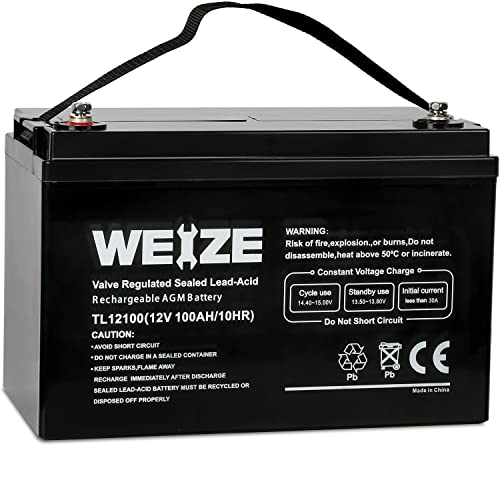
The Weize 12V 100Ah deep-cycle AGM battery is a sealed lead-acid option designed for low maintenance and spill-proof operation. It utilizes AGM technology to reduce acid leakage risk and supports a modest self-discharge rate, enabling longer storage between uses. It lists a wide operating temperature range and a strong max discharge current to support RV appliances and auxiliary systems. A practical choice for campers needing dependable performance with less upkeep.
Renogy Deep Cycle AGM 12V 100Ah Battery
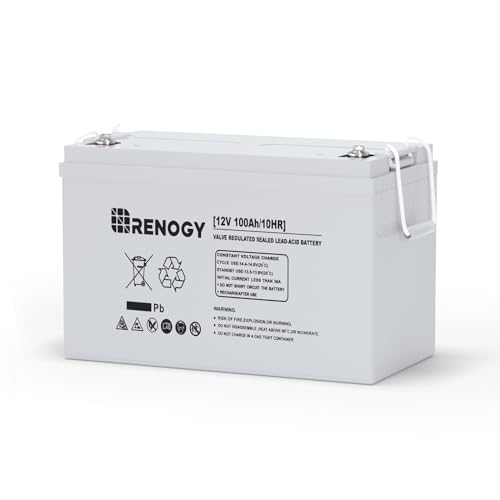
Renogy’s 12V 100Ah AGM battery is a well-regarded option for safety and stable performance. It supports series and parallel configurations (up to four in parallel) for scalable power. Renogy’s reputation and wide usage in RV and off-grid setups make this a common choice for users seeking a reliable, easy-to-maintain energy source with straightforward troubleshooting and solid safety features.
ExpertPower EXP33-12V 33Ah AGM Battery

ExpertPower EXP33-12V 33Ah is a compact option ideal for smaller RV systems or as a backup power source. Its AGM construction provides maintenance-free operation and a sealed design suitable for portable or stand-alone setups. The battery is positioned for use in various standby systems, including RVs, UPS, and small solar energy storage, delivering dependable, uncomplicated power.
Renogy Deep Cycle AGM 12V 200Ah Battery

This higher-capacity Renogy AGM battery is designed for longer RV trips or more demanding loads. It emphasizes excellent discharge performance and low self-discharge tendencies, making it suitable for off-grid camping and sustained energy draws. The 200Ah rating allows for extended use with fewer recharges and robust compatibility with typical RV power systems.
Interstate DCM0035 12V 35Ah SLA AGM Battery

Interstate Batteries DCM0035 is a deep-cycle SLA AGM option designed for mobility and standby reliability. Its 35Ah rating supports small to moderate loads on RV setups that require a compact, lightweight energy source with dependable cycling. It is suitable for electric wheelchairs, scooters, and other compact power needs within RV configurations.
Buying Guide: Lead-Acid RV Battery Considerations
- Capacity and discharge: Higher Ah ratings deliver longer runtimes, but also weigh more and cost more. Match capacity to your RV appliance load and daily usage.
- Maintenance and sealing: AGM batteries are maintenance-free and spill-proof, making them ideal for RV compartments. Flooded lead-acid options require more care and ventilation.
- Self-discharge: Lower self-discharge rates extend storage time between uses. AGM designs typically offer better self-discharge performance than some flooded types.
- Temperature range: Performance varies with temperature. Ensure the battery you pick operates effectively within your camping or off-grid climate.
- Configuration flexibility: AGM batteries can be connected in series or parallel for higher voltage or capacity. Plan for future expansion if you anticipate more devices in your RV setup.
- Durability and safety: Look for reinforced cases, vent valves, and reputable brands with safety certifications. A sealed design reduces leaks and hazards during travel.
- Lifecycle expectations: Compare cycle life and warranty. Higher upfront cost may be offset by longer service life and lower maintenance.
- Weight and space: RV installations have limited space and weight limits. Lightweight or compact options may be favored for small RVs or minimal setups.
- Power management: Combine with an efficient inverter/charger, solar array, or generator system to optimize charging and prevent deep discharges that shorten life.
Note: Prices are not included here. When selecting a battery, consider your RV’s total load, climate, and the desired autonomy between charges. The five selections above offer varied capacities and form factors to accommodate a range of RV lifestyles, from short trips to extended off-grid adventures.