Ventless heat pump dryers offer energy-efficient drying, flexible placement, and gentle fabric care. This guide highlights five top models ideal for American homes needing compact solutions without sacrificing performance. Each option uses a heat pump to recycle heat, reducing energy use while delivering reliable drying cycles. The selections cover small apartments, stacked setups, and budget-conscious upgrades, with attention to sensor technology, capacity, and installation needs. Read on to compare features, performance traits, and key buying considerations for choosing the right heat pump dryer.
Summary of Selected Products
| Product | Brand | Capacity | Type | Key Benefit |
|---|---|---|---|---|
| LG 24 in. W 4.2 Cu. Ft. Ventless Stackable Smart Electric Dryer | LG | 4.2 cu ft | Ventless, Stackable | Dual Inverter HeatPump technology |
| Midea MLE25H7BWW Heat Pump Dryer | Midea | 4.4 cu ft | Ventless, Stackable | Humidity sensor, energy savings |
| Samsung 4.0 Cu Ft Heat Pump Dryer | Samsung | 4.0 cu ft | Ventless | Sensor Dry, Express Cycle |
| Techomey 4.4 Cu.Ft Ventless Heat Pump Clothes Dryer | Techomey | 4.4 cu ft | Ventless | Smart Sensor Dry, compact design |
| KoolMore 24″ Electric Ventless Heat Pump Dryer | KoolMore | 4.4 cu ft | Ventless, Stackable | Sensor Dry, energy efficiency |
LG 24 Inch Ventless Stackable Smart Electric Dryer

The LG model combines a compact 24-inch footprint with 4.2 cubic feet of capacity, ideal for apartments or tight laundry alcoves. Its Dual Inverter Heat Pump technology enhances energy efficiency while delivering quiet operation. The unit supports multiple dryer programs, enabling tailored cycles across fabrics. With ventless installation flexibility, this dryer can be placed near the washer or in a closet, making it a practical choice for spaces with limited ventilation options. Energy-conscious households may appreciate the potential for lower utility use over time.
Midea MLE25H7BWW Heat Pump Dryer

The Midea MLE25H7BWW offers 4.4 cubic feet of capacity in a 24-inch, ventless, stackable package. It emphasizes energy savings—claiming reduced energy use compared with traditional dryers—while drying at lower temperatures to protect fabrics. A humidity sensor helps optimize drying times, balancing efficiency with garment care. The ventless design simplifies placement in apartments or closets, and stackability supports stacking with a washer for compact laundry zones. Power cord compatibility and 240V operation should be considered when planning installation.
Samsung 4.0 Cu Ft Heat Pump Dryer

Samsung’s 4.0 cu ft heat pump dryer emphasizes energy efficiency and a flexible 40-minute express cycle, which suits small loads or quick refreshes. Sensor Dry technology continuously adjusts time and temperature to protect fabrics from heat damage while conserving energy. The compact size makes it suitable for apartments or compact laundry rooms, and the ventless design supports versatile placement. Users seeking faster cycle options without compromising efficiency may find the express feature valuable for everyday tasks.
Techomey 4.4 Cu.Ft Ventless Heat Pump Dryer

Techomey presents a 4.4 cu ft ventless heat pump dryer designed for small spaces, including apartments and studios. Its 16 programmed cycles cover fabrics from cotton to delicates, with Smart Sensor Dry technology automatically pausing drying when clothes reach the desired level of dryness. The energy efficiency focus stems from heat reuse within the system, contributing to potentially lower electricity costs. Stackability and compact dimensions help fit beside washers or in narrow laundry closets, though power requirements and ventilation considerations still apply in certain layouts.
KoolMore 24″ Ventless Heat Pump Dryer
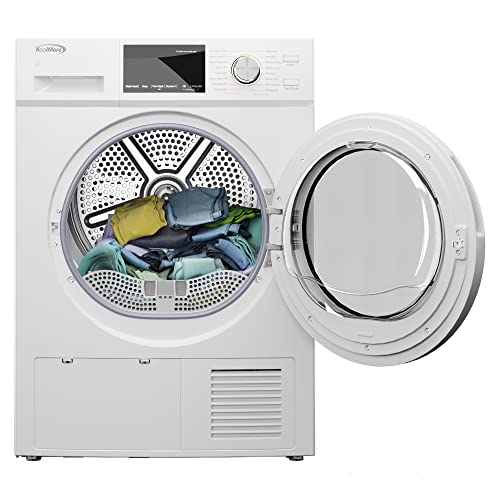
KoolMore offers another compact option with a 4.4 cu ft capacity and a 24-inch width, designed for small homes and apartments. Its ventless operation, combined with Sensor Dry technology and 16 cycles, supports wrinkle prevention and efficient fabric care. The unit is stackable, aiding space optimization in tight laundry areas. Potential buyers should verify electrical requirements and whether the model supports their existing washer-dryer configurations to ensure seamless integration.
Buying Guide: Key Purchase Considerations And Comparisons
- Ventless design: All listed models operate without external venting, which simplifies installation in apartments and closets but requires a sturdy setup with proper humidity management and condensation drainage (where applicable).
- Capacity and footprint: Typical capacities range from 4.0 to 4.4 cu ft. For small households, mid-range capacity paired with a compact footprint often balances space and load size.
- Energy efficiency: Heat pump dryers reuse heat to dry clothes, generally consuming less electricity than vented counterparts. Look for Energy Star ratings and inverter-driven components for sustained savings.
- Sensor technology: Moisture or humidity sensors optimize cycle duration to prevent over-drying and fabric damage, while also conserving energy.
- Installation and placement: Since all options are ventless, you can place the unit in closets, kitchens, or laundry nooks. Check electrical requirements (voltage, circuit capacity) and consider a close nearby drain or condensation management if needed.
- Noise and cycle options: Consider decibel levels and cycle variety (normal, delicate, heavy, quick dry) to fit your routines and preferred fabric care.
- Stacking compatibility: If you have a compact laundry area, confirm stackability with your washer or existing cabinetry to optimize space.
- Maintenance: Ventless systems may require periodic cleaning of lint filters and moisture condensers. Ensure any filters are washable and accessible for routine upkeep.
- Durability and warranty: Review component quality, parts availability, and warranty coverage, especially for compact units used daily in small households.
- Electrical considerations: Many ventless units require 240V or specific plug configurations. Plan electrical upgrades or consult a professional if needed.
When choosing a heat pump dryer, compare energy savings over time, installation flexibility, and how the machine’s sensor technology aligns with your typical laundry loads. Each model above emphasizes compact design and efficient operation, suitable for urban homes, apartments, or small houses where space is at a premium. Balancing capacity, cycle options, and installation logistics will help identify the best fit for your household.