Choosing the right electric flower light bulb can boost indoor plant health, flavor, and bloom quality. This guide highlights five top grow-friendly bulbs, covering spectrum, intensity, and efficiency to help gardeners in the U.S. optimize seedling vigor, vegetative growth, and flowering stages.
Summary of Selected Products
| Product | Brand | Key Rating | PPF (Approx.) | Light Type |
|---|---|---|---|---|
| SANSI Grow Light Bulb with COC Technology | SANSI | Full Spectrum, High Efficiency | 97.91 μmol/s·m²@1ft | Full Spectrum LED |
| Feit Electric A19 Grow LED G2 BX | Feit Electric | High Humidity Suitable | Not specified here | Full Spectrum LED Grow |
| GE BR30 Indoor Flood Light – Grow | GE | Balanced Spectrum | 15 μmol/s | Full Spectrum LED |
| Feit Electric BR30 Grow LED BX | Feit Electric | 65W Equivalent | Not specified here | Full Spectrum LED |
| GE A19 Grow Light Bulb | GE | Balanced White Spectrum | 16 μmol/s | Full Spectrum LED |
SANSI Grow Light Bulb With COC Technology

The SANSI bulb uses COC (Chip on Ceramic) technology to improve heat transfer and reliability. It provides a full spectrum from 400nm to 780nm, closely mimicking natural sunlight and supporting all plant growth stages. The secondary optical design helps optimize light distribution, delivering nearly 100 Ra color rendering and a usable PPFD near 97.91 μmol/s/㎡ at 1 foot. An estimated lifespan of up to 25,000 hours supports long-term use for seedling beds or compact indoor gardens.
Key points:
– Full spectrum 4000K daylight output and natural color rendering
– Secondary optical design improves light utilization
– Durable ceramic heat sink with efficient heat management
Feit Electric A19 GROW LEDG2 BX Full Spectrum
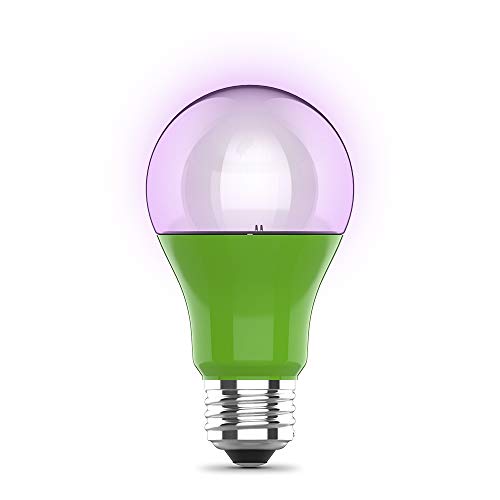
The Feit A19 Grow LED G2 BX bulb is designed to replace traditional greenhouse lighting, offering a full spectrum that supports all growth phases. It emphasizes blue light around 448nm and red light around 630nm to promote leafy growth and flowering. The bulb runs efficiently, consuming only about 9 watts for a 60W-equivalent output, with low heat emission to help maintain stable indoor temperatures for plant health in hydroponic or soil-based systems.
Key points:
– Ideal for greenhouse, hydroponic, or indoor use
– Blue and red spectrum balance supports vegetative and flowering stages
– Energy-efficient with low heat output
GE BR30 Indoor Floodlight Grow Led – Red Spectrum

GE BR30 grow lights deliver a high-quality, white-leaning full spectrum that blends blue and red light for steady indoor plant development. With a PPF of 15 μmol/s, these bulbs are suitable for a variety of indoor garden setups including herbs, peppers, and flowering plants. The long 25,000-hour lifespan reduces replacement frequency and helps maintain consistent lighting for a greenhouse-like indoor environment.
Key points:
– High-quality balloon-like BR30 form factor for flood lighting
– Balanced blue/red spectrum to support growth and flowering
– Long-lasting LED technology with extended lifespan
Feit Electric BR30 Grow LED BX Full Spectrum

This Feit BR30 bulb provides full-spectrum LED grow lighting designed to power all stages of indoor plant growth. It emphasizes blue light for foliage development and red light for budding and flowering, with energy efficiency and relatively low heat output. The BR30 form factor is well-suited for recessed fixtures or track lighting, giving gardeners flexibility in fixture placement while maintaining effective light coverage.
Key points:
– Suitable for indoor herbs, vegetables, and flowering plants
– Full-spectrum design emphasizes blue and red bands
– 65W equivalent performance with efficient operation
GE A19 Grow Light Bulb For Seeds And Greens

The GE A19 bulb offers a balanced white spectrum with a focus on blue and red wavelengths, supporting seed germination, leafy greens, herbs, and flowering crops. It provides a robust PPF around 16 μmol/s and a long lifespan of up to 25,000 hours. This bulb is compatible with standard household fixtures while delivering targeted light for plant health and productivity in compact spaces.
Key points:
– Balanced spectrum suitable for all growth stages
– High PPF for steady growth and flowering
– Reliable LED technology with long life
Buying Guide: What To Look For In Electric Flower Light Bulbs
- Spectrum and color quality: Look for full-spectrum bulbs that cover blue (around 450 nm) and red (around 630–660 nm) bands. A high CRI near natural daylight (Ra close to 100) helps color accuracy for indoor plants and reduces stress on the plant’s growth cycle.
- PPF and intensity: Higher PPF values indicate more photosynthetic activity. Choose bulbs with PPFD ratings appropriate for your fixture distance and plant type. For seedlings, moderate PPFD is often best; for flowering plants, higher PPFD can support robust blooms.
- Fixture compatibility: Select bulbs that fit your sockets (E26, BR30, A19, PAR38, etc.) and can be placed in closed fixtures or open lamps without overheating. Consider heat dissipation features like ceramic substrates for longer life in warm spaces.
- Energy efficiency and heat: LED bulbs offer lower energy consumption and less heat compared to traditional incandescent or halogen bulbs. Low heat helps maintain stable growing environments, especially in small grow tents or shelves.
- Durability and longevity: A longer rated lifespan reduces replacements and maintenance. Ceramic heat sinks and robust designs can extend bulb reliability in humidity-prone areas.
- Special features: Secondary optical lenses, uniform light distribution, and rugged design for high-humidity environments can improve light utilization and crop yield.
- Fixture placement and coverage: Plan bulb spacing to avoid shading and ensure uniform coverage across the canopy. If using multi-bulb setups, stagger positions to reduce hot spots.