Finding a reliable device to monitor electrical current helps you diagnose issues, optimize energy use, and stay safe around wiring. The following selections cover plug-in meters, handheld multimeters, current testers, and USB-C power meters to track real-time current, voltage, and power. Each option is suited to different tasks—from quick outlet checks to in-depth electrical testing.
Overview of chosen products:
| Product | Brand | Key Use |
|---|---|---|
| SURAIELEC Watt Meter | SURAIELEC | Real-time energy use, voltage, current, wattage |
| Fluke 17B+ Digital Multimeter | Fluke | AC/DC voltage, current, resistance, and more |
| Klein Tools 69409 Line Splitter | KLEIN TOOLS | Measurement aid for clamp meters on North American outlets |
| Diymore USB C Power Meter | diymore | USB-C voltage/current/power, charging protocol support |
| Eversame USB C Power Meter | Eversame | Voltage/current/power with data display for charging gear |
SURAIELEC Watt Meter Product Review
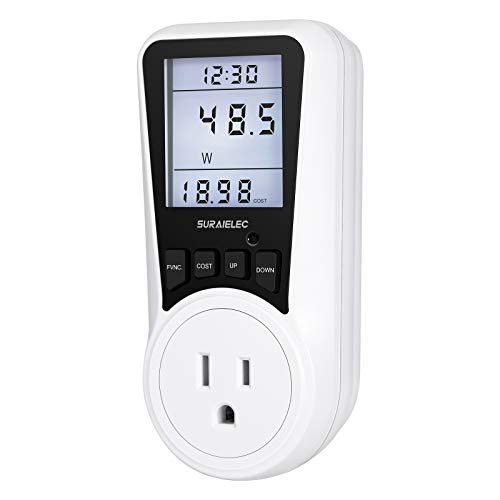
The SURAIELEC Watt Meter is a plug-in power meter designed to monitor real-time energy costs and appliance draw. It automatically calculates electricity expenses with customizable rates (0-99.99/kWh) and displays volts, amps, watts, and frequency. A large backlit display ensures readability from a distance or in dim basements. It also includes a 90-day data memory and overload protection, making it suitable for safeguarding TVs, ACs, and other appliances. This device helps households identify energy-hungry devices and implement efficiency improvements.
Key features to consider: energy-cost tracking, real-time voltage and current readings, wide display for easy viewing, and safety features such as overload alerts and a fire-resistant design. The built-in memory provides usage history to analyze trends over time, which can support budgeting and energy-saving decisions.
Fluke 17B+ Digital Multimeter

The Fluke 17B+ is a professional-grade digital multimeter for electrical applications. It measures AC/DC voltage up to 1000V and current up to 10A, with additional resistance, continuity, diode, capacitance, frequency, and temperature testing. Its CAT III 600V safety rating supports work in typical residential and commercial environments. The device is designed for accurate readings across a broad range of scenarios, from quick checks to detailed troubleshooting, making it a staple for electricians and DIY enthusiasts alike.
Considerations when choosing: safety certification, broad measurement capabilities, and the ability to measure multiple parameters in one tool. The Fluke 17B+ is built for reliability and precision, which is important when diagnosing complex electrical issues or ensuring system integrity before upgrading circuits or wiring.
Klein Tools 69409 Line Splitter For Clamp Meter

The Klein Tools 69409 Line Splitter is designed to support clamp meter operations by providing secure storage and easy access to meters, testers, and tools. While not a meter itself, it is a practical accessory when conducting current measurements in North American outlets, offering durability (black 600d nylon) and reliable closure with a heavy-duty zipper. This accessory helps keep essential measurement tools organized and ready for fieldwork or home electrical projects.
When selecting line accessories, consider protective materials, closure reliability, and internal organization. A sturdy splitter ensures your meters stay protected while moving around job sites or stored in a toolbox, reducing downtime during testing tasks.
Diymore USB C Power Meter: USB Monitoring

The Diymore USB C Power Meter is a USB-C tester that displays current, voltage, power, and temperature. It features a 240W capacity and supports PD2.0/PD3.0, QC2.0/3.0, and other fast-charging protocols. The meter provides additional data like continuous operating time, energy consumed, and maximum voltage/current during a charge session. This makes it ideal for evaluating charging performance from wall chargers, car chargers, or power banks, and for testing USB-C cables and devices.
Considerations include protocol compatibility, measurement range, and data logging. For users who frequently charge devices or test USB-C power delivery, a meter like Diymore offers actionable insights into charging efficiency and safety.
Eversame USB C Power Meter Review

The Eversame USB C Power Meter functions as a voltage and current monitor with a bright interface and a braided USB-C to USB-C cable. It is designed to test charging performance and monitor current, voltage, and power across USB-C devices. This meter is suitable for evaluating the efficiency of chargers, cables, and power banks, and for troubleshooting charging bottlenecks in USB-C ecosystems. The device is compact and easy to use, making it a practical addition for technicians and at-home testers alike.
Important considerations include display clarity, supported charging standards, and compatibility with your devices. For users focusing on USB-C charging chains, an accurate power meter helps compare charger performance and ensure devices receive stable power delivery.
Buying Guide: Key Purchase Considerations For Current Measurement Tools
- Purpose and range: Identify whether you need a plug-in power meter, a handheld multimeter, or a USB-C power meter. Consider voltage, current, and power ranges to fit your typical tasks (home outlets, automotive diagnostics, or USB charging).
- Safety and ratings: Look for safety certifications (CAT ratings for meters, IP ratings for rugged models). For electrical work, a higher CAT rating and proper insulation are essential.
- Display and readability: A large backlit display helps in low-light areas. Ensure the device provides clear readings for volts, amps, watts, and frequency when applicable.
- Data memory and logging: Some meters store usage history or allow data export. This supports trend analysis and energy budgeting over time.
- Protocol support and compatibility: USB-C meters should support PD, QC, and other charging standards if you test modern devices and fast chargers. For traditional meters, ensure compatibility with common outlets and wiring setups.
- Durability and form factor: If you work in garages or field sites, choose rugged enclosures and protective housings. Plug-in meters should be compact enough to fit behind appliances without obstructing usage.
- Ease of use: Quick-reference indicators, simple wiring, and intuitive interfaces reduce setup time and errors during testing.
- Cost vs. capability: While professional-grade tools like Fluke deliver high precision and durability, many budget meters offer sufficient accuracy for routine home use. Balance price with your testing needs.
- Safety practices: Always follow manufacturer guidelines, unplug cord sets before changing connections, and avoid exposing yourself to live circuits beyond your training level.
In summary, select a device based on whether your primary goal is monitoring energy costs, diagnosing electrical issues, or validating USB-C charging performance. Each of the listed options provides a distinct approach to measuring current and related electrical parameters, enabling informed decisions about power use and system safety.