When selecting a baseboard heater for a 120-volt system, it’s important to match wattage and length to your room size, installation type, and safety needs. This guide highlights five reliable 120V options, spanning compact 500W models to high-output 2000/1500W dual-power units. Each entry includes key specs, installation notes, and practical considerations to help you compare at-a-glance and choose a unit that maintains comfort and efficiency.
| Product | Brand | Voltage | Wattage | |
|---|---|---|---|---|
| Cadet Baseboard Heater Ul 120 V/4.17 A White 30″ 500 W | Cadet Store | 120 V | 500 W | 30 inches |
| Cadet F Series 72 in. Electric Baseboard Heater | Cadet Store | 120 V | 1500 W | 72 inches |
| KING 4K1210BW 4′ / 1000W / 120V | KING Store | 120 V | 1000 W | 48 inches |
| CSC202TW Electric Wall Heater | Unspecified | 240/208 V | 2000/1500 W | — |
| King 3K1207BW 750-Watt 3-Foot Baseboard Heater | KING Store | 120 V | 750 W | 36 inches |
Cadet Baseboard Heater Ul 120 V/4.17 A White 30″ 500 W

The Cadet Ul 120 V model offers a compact, low-profile solution ideal for small rooms or hallways. With a 500 W rating and a 30-inch length, it provides steady warmth without overwhelming glare or noise. Designed for 120-volt circuits, this unit is suited for retrofit projects where an unobtrusive heating element is preferred. Installation should consider clearances near furniture and drapes to maintain safety and efficiency.
- Voltage: 120 V; Power: 500 W
- Length: 30 inches; Finish: White
- Continuous heat output with straightforward mounting
Cadet F Series 72 in. Electric Baseboard Heater
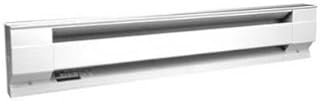
The Cadet F Series is a longer, higher-woutput unit designed for larger spaces. With 1500 W at 120 V, it is capable of delivering uniform warmth along an entire wall, typically suitable for medium-to-large rooms or open-concept areas. The product notes indicate continuous heat transmission and Chinese manufacturing origin. Consider the electrical capacity of the circuit and proper clearances for safe operation.
- Voltage: 120 V; Power: 1500 W
- Length: 72 inches; Finish: White
- Emphasizes constant heat output and long-wall coverage
K KING 4K1210BW 4′ Baseboard Heater
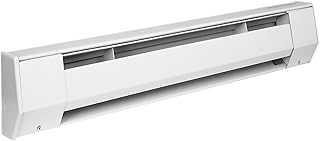
The KING 4K1210BW is a 4-foot baseboard heater delivering 1000 W at 120 V. It is described as a non-plug-in model that is intended to be hard-wired for installation. Aluminum Ribbon Fin Element and a full-length safety cutout contribute to reliable performance and safety for living rooms or bedrooms where permanent fixtures are preferred. Ensure professional installation for electrical compliance.
- Voltage: 120 V; Power: 1000 W
- Length: 48 inches; Finish: Bright White
- Hard-wired installation; durable aluminum fin element
CSC202TW Electric Wall Heater

The CSC202TW is a dual-power wall heater compatible with 240/208 V, offering high capacity (2000/1500 W) and dual heat modes. It is designed for spaces up to about 200 square feet. The included 10-second warm-up, turbo fan, and precision thermostat enhance comfort and energy efficiency. This unit is well-suited for larger rooms, basements, or workshops where rapid, adjustable heating is needed.
- Power options: 2000/1500 W; Voltage: 240/208 V
- Coverage: up to 200 sq ft; Thermostat: precise control
- Quiet operation with a high-grade heating coil and turbo fan
King 3K1207BW 750-Watt Baseboard Heater

The King 3K1207BW provides a compact 3-foot baseboard option at 750 W. This unit is another hard-wired model designed for steady heat along a shorter wall or space where a robust temperature profile is desired without extending too far beyond the room. As with other hard-wired bases, ensure proper installation to meet electrical codes and safety standards.
- Voltage: 120 V; Power: 750 W
- Length: 36 inches; Finish: Bright White
- Hard-wired installation; aluminum fin element for durability
Buying Guide: Key Purchase Considerations For 120V Baseboard Heaters
Selecting the right baseboard heater involves balancing room size, installation type, and energy goals. This guide presents practical perspectives to help you evaluate options without bias toward any single product.
- Room size and heat output: Larger spaces typically require higher wattage units or longer heater spans. For example, 1000–1500 W models suit medium rooms, while 2000 W options may be needed for extra-large or drafty areas.
- Length and placement: Baseboard heaters should run along the base of the wall to maximize convection. Longer models provide even heat distribution along an entire wall, but ensure the space does not obstruct vents or furniture.
- Voltage and circuit compatibility: Most residential 120 V setups work with plug-in or hard-wired options. When selecting a hard-wired unit, factor in the existing electrical panel capacity and required wiring methods.
- Plug-in vs hard-wired: Plug-in models offer easy installation and are suitable for renters or temporary solutions. Hard-wired units deliver a cleaner appearance and are common for permanent heating in living spaces.
- Thermostat control: Consider units with integrated thermostats or compatibility with central thermostats. Adjustable setpoints and precise control help optimize comfort and energy use.
- Safety features: Look for integrated overheat protection, wall clearance guidelines, and sturdy mounting hardware to minimize risks in occupied rooms.
- Noise and air movement: Most baseboard heaters operate quietly, but some models pair with a low-noise fan for faster warm-up in cooler spaces. If noise is a concern, review product specifications and user reports.
- Materials and durability: Aluminum fin elements promote efficient heat transfer and corrosion resistance, while sturdy housings support long-term performance in standard room conditions.
- Maintenance requirements: Baseboard heaters are generally low-maintenance; periodic cleaning of dust and ensuring unobstructed airflow will sustain efficiency.
- Electrical code compliance: Ensure professional installation where required, particularly for hard-wired units, to comply with local electrical codes and warranty terms.