Finding a reliable backup power transfer switch is essential for maintaining uninterrupted power during outages, RV trips, or off-grid setups. This guide highlights five notable options, explaining how each unit handles automatic and manual switching, safety protections, and installation considerations. Read on to compare features, installation needs, and durability to help you choose the right transfer switch for your backup power needs.
Product Overview
| Product | Brand | Voltage/Current | Typical Use | Key Strength |
|---|---|---|---|---|
| AC120V 15Amp Automatic Transfer Switch (NEMA 5-15P/R) | HCDC | 90-135V; 15A | Residential backup for small loads | Fast transfer time; simple inline relay |
| Connecticut Electric Series 2 Transfer Switch Kit | Connecticut Electric | 50A; 10 Circuits | Home or small business with high demand | High-capacity 12,500W output; 50A inlet box included |
| Transfer Switch 50 Amp 6 Circuit Kit | Digowers | 50A; 6 Circuits | Residential backup for generator power | NEMA 3R/IP55; weatherproof and robust |
| Renogy 30Amp Transfer Switch | Renogy | 120V; 30A | RV, shore power, solar/inverter setups | Wide compatibility; seamless automatic switching |
| MARSTEK 63A 110V Transfer Switch | MARSTEK | 110V; 63A | Home or mobile power systems | LED display; real-time monitoring |
These selections cover a range of capacities from compact home use to larger, more demanding installations, ensuring options exist for RVs, off-grid cabins, and small homes relying on generators, inverters, or shore power.
AC120V 15Amp Automatic Transfer Switch, HCDC

The HCDC HD060 Automatic Transfer Switch is a compact inline relay designed for 15 Amp loads, switching between two AC sources: utility (Input 2) and inverter or generator (Input 1). With a transfer time under 30 milliseconds, most smart devices and computers experience no disruption. It uses four high-power SPST relays, which helps reduce arcing on inductive loads and ensures both live and neutral are switched together. Ground wires from inputs and output are connected internally for added safety. The unit operates in a 90–135V, 50/60Hz environment, suitable for typical U.S. homes and small offices.
Key considerations: ideal for lightweight backup needs, such as a home office PC, network gear, or a small router where a fast, non-intrusive switch is crucial. The compact design makes it easier to install in tight spaces. Potential drawbacks include lower amperage for households with multiple high-draw appliances. For larger loads, a higher-capacity switch is recommended. This model emphasizes reliability and quick switching for sensitive electronics while keeping installation straightforward.
Reliance Controls 31406CWK 30A 6-Circuit Kit
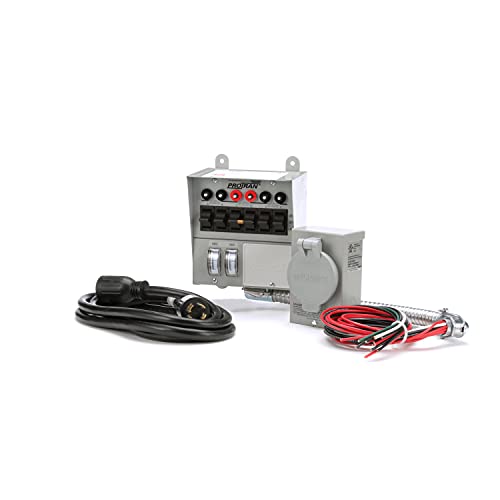
This 30-amp, 6-circuit transfer switch kit from Reliance Controls is designed for generators and provides a scalable solution for medium-duty loads. The kit includes a 10-foot cord and a 7500-watt capacity, with the ability to support multiple circuits simultaneously. It’s suitable for homes that require essential circuits to be powered during an outage, including sump pumps, HVAC, or well pumps. The kit’s design focuses on straightforward installation and compatibility with common portable generators.
Pros include a clear path to a robust standby solution for a modest home or cabin and the convenience of a dedicated 6-circuit layout. Considerations involve ensuring your generator and circuits align with the 30A rating and planning for outdoor or indoor placement with proper weather protection. The system’s effectiveness improves when paired with a correctly sized generator and properly mapped circuits to minimize accidental overloads.
Connecticut Electric Series 2 50A Kit

Designed for residential or small-business needs with substantial power requirements, this Series 2 kit provides a 50-amp capability and up to 12,500 watts distributed across 10 circuits. It is ideal for 240-volt loads like well pumps and HVAC systems, while maintaining flexibility for standard house circuits. The included Power Inlet Box (CS6375) with weather-resistant cover and a premium 25-foot connecting cord makes generator placement convenient and safer for outdoor installations.
What to watch for: ensure your generator matches the 50A rating and that you have a suitable outdoor or indoor mounting location with adequate clearance. The kit’s versatility for 240-volt circuits can simplify hard-wiring during generator outages, but it requires careful circuit selection and professional installation in some jurisdictions. This option suits users needing higher power distribution with a clear focus on reliability and expandability.
Digowers 50 Amp 6-Circuit Transfer Switch Kit
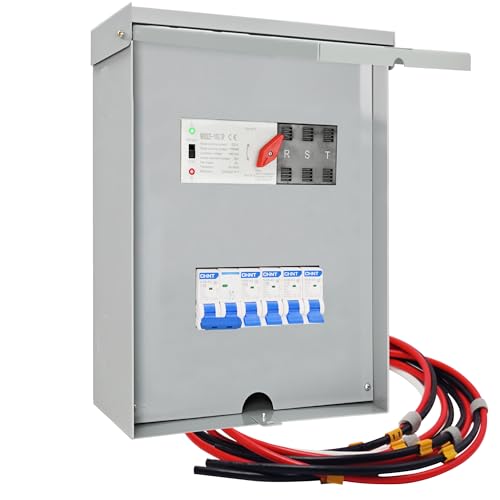
The Digowers 50-amp automatic transfer switch kit features intelligent control with 6 adjustable circuits: two 15-amp single-pole, one double-pole 20-amp, and two additional 10-amp circuits. The unit is designed to automatically switch to generator power when mains fail and revert when mains return, preserving critical equipment operation. Its NEMA 3R/IP55 weatherproof rating allows use in challenging environments, with robust galvanised steel construction for durability and outdoor exposure.
Key points: the automatic mode offers hands-off power management, while the optional manual mode provides direct source selection when needed. The flexible circuit configuration helps tailor the setup to your specific household or small business load. While the kit is built to survive outdoor conditions, ensure proper clearance and professional wiring for safe, compliant installation with your generator and mains system.
MARSTEK 63A 110V Transfer Switch

This 63A 110V automatic/manual transfer switch from MARSTEK focuses on a balance of power capacity and user visibility. It supports automatic switching to backup power and allows manual selection when needed. The unit includes an LED display for real-time voltage status and system operation, providing clear insights into the backup power flow. It’s designed for generator or RV use and emphasizes protection features to guard against power fluctuations that could impact sensitive equipment.
Considerations include the LED status as a helpful diagnostic tool, potential learning curve for manual operation, and ensuring your system’s voltage and amperage align with the switch’s ratings. The LED display makes it easier to monitor during outages, and the device’s robust construction supports both indoor and outdoor installations with appropriate protection. This option suits users who value monitoring and flexibility in a mid-to-high-capacity transfer switch.
Buying Guide: Key Purchase Considerations
When selecting a backup power transfer switch, consider the following factors to ensure dependable performance and safe installation.
- Load size and circuits: Match the switch’s amperage and number of circuits to your essential loads. Oversizing can add cost, while undersizing risks overloads during outages.
- Automatic vs. manual: Automatic switches activate during mains failure and revert when power returns. Manual controls are useful for controlled testing or specialized setups where automatic switching is not desired.
- Voltage compatibility: Ensure the unit supports your home’s voltage (typically 120/240V in the U.S.) and that the switch can handle any 240V circuits if you rely on them.
- Weather and installation: Outdoor installations require NEMA 3R/IP ratings and protective enclosures. Indoor setups should have appropriate wiring access and clearances, ideally with professional installation.
- Lead time and accessories: Some kits include power inlet boxes, cords, or mounting hardware. Confirm all required components are included or readily available.
- Safety protections: Look for over-voltage, under-voltage, and over-current protections, along with features that minimize arcing and ensure safe disengagement of sources.
- Compatibility with power sources: Consider whether the switch works with generators, inverters, solar, or shore power, and note any limitations in switching between these sources.
- Monitoring and indicators: LED displays or diagnostic indicators help assess system status and troubleshoot issues quickly during outages.
In selecting the right transfer switch, review the installation manual, confirm local electrical codes, and, if needed, consult a licensed electrician to ensure a code-compliant and safe setup. A properly chosen and installed transfer switch provides reliable continuity for essential circuits during power interruptions and supports a wide range of backup power configurations.