Finding a dependable 6-volt deep cycle battery is essential for marine trips, RV adventures, and off-grid storage. This guide highlights top-rated options that balance capacity, durability, and ease of maintenance. Each pick is suited for deep discharges, solar setups, and heavy-use scenarios typical on water, land, and remote sites. We compare key specs, explain performance differences, and offer practical buying tips to help you choose the right fit for your vessel or project.
| Product | Brand | Voltage | Capacity (Ah) |
|---|---|---|---|
| US Battery US2200 XC2 | U.S. Battery | 6V | 232 |
| Weize GC2 6V Golf Cart Battery | WEIZE | 6V | 240 |
| VMAX XTR6-235 | VMAX USA | 6V | 235 |
| Casil 6V 220Ah Deep Cycle AGM | Casil | 6V | 220 |
| Trojan T-105 Plus | Trojan Battery Company | 6V | 225 |
US Battery US2200 XC2 6V 232Ah (Pack of 4)

- BCI Group: GC2; Voltage: 6V; Capacity: 232Ah
- Replaces: Trojan T-105 GC2 Deep Cycle Battery
- Dimensions: 10.25 x 7.125 x 11.25 inches
- Case: Polypropylene / Heat Sealed; Terminal Type: Molded-In UTL
- Ideal for high-amp, deep cycle Marine, RV, and solar setups
The US2200 XC2 is a high-capacity, six-volt deep cycle option that excels in repeated discharge applications. Its large GC2 footprint matches common 6-volt configurations, making it a straightforward upgrade or replacement for legacy systems. The four-pack configuration offers scalable power for larger boats or multi-battery banks, enabling longer run times between charges.
Weize GC2 6V Golf Cart Battery, 240Ah

- Voltage: 6V; Capacity: 240Ah; Type: AGM
- Dimensions: 10.24″ L × 7.09″ W × 9.92″ H; Weight: 67 lbs
- Maintenance-free, non-spillable with AGM technology
- Terminals: SAE post & SAE/M8; compatible with GC2 configurations
Weize’s 6V AGM deep cycle battery emphasizes maintenance-free operation and indoor-friendly venting. With a robust 240Ah rating, it supports longer cycles and steady power delivery for marine electronics, trolling motors, and off-grid storage. Its GC2 form factor aligns with many standard 6-volt banks, offering reliable performance in compact packages.
VMAX XTR6-235 6V 235Ah AGM Deep Cycle
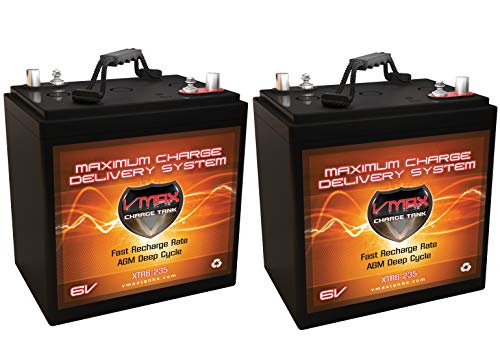
- Voltage: 6V; Capacity: 235Ah; Type: AGM
- Maintenance-free with sealed construction
- Designed for portable power, solar storage, and marine use
- GC2 group size facilitates easy replacement and expansion
VMAX’s XTR6-235 combines high capacity with AGM reliability, delivering sturdy performance in repeated deep discharge cycles. Its sealed AGM design minimizes fumes and is suitable for enclosed spaces on boats and RVs. The 235Ah rating offers strong endurance for steady loads, including lighting, navigation, and radio systems.
Casil 6V 220Ah Deep Cycle AGM Replacement Battery

- Voltage: 6V; Capacity: 220Ah; Type: AGM
- High-capacity deep cycle performance for energy storage
- Maintenance-free, sealed, and spill-proof for indoors/outdoors
- Compact size: 10.43″ × 7.48″ × 12″
Casil’s 6V 220Ah AGM battery targets energy storage and marine use with a focus on safety and ease of maintenance. The AGM design makes it suitable for enclosed compartments and portable setups, while its 220Ah rating provides reliable power for extended cruising, solar storage, and off-grid living.
T Trojan T-105 Plus 6V 225Ah Deep Cycle Battery
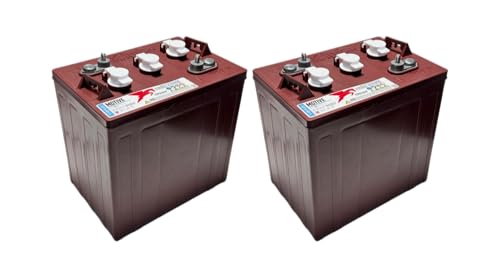
- BCI Group: GC2; Voltage: 6V; Capacity: 225Ah
- Flooded Lead Acid chemistry; common marine and golf cart use
- Renowned for durability and compatibility with GC2 banks
The Trojan T-105 Plus remains a popular choice for classic 6-volt systems, offering solid capacity and compatibility with a wide range of marine and golf cart configurations. While maintenance-intensive compared to AGM options, it provides proven performance in long-running cycles and harsh environments when properly maintained.
Buying Guide
Key considerations when selecting a 6-volt deep cycle battery include chemistry, capacity, and physical fit. Understanding these factors helps balance performance with cost and maintenance needs.
- Chemistry: AGM vs Flooded. AGM (absorbent glass mat) batteries are maintenance-free, spill-proof, and better for indoor or enclosed spaces. Flooded batteries often offer lower upfront cost but require venting and regular maintenance.
- Capacity and discharge: Higher Ah ratings provide longer run times between charges, especially with solar or engine-driven charging. Consider your expected daily load and reserve capacity requirements.
- Physical size and terminals: Confirm group size (GC2) and dimensions to ensure a proper fit in existing trays and racks. Terminal type affects wiring configurations and ease of installation.
- Cycle life and warranty: Look for batteries rated for heavy cycling if you run electronics frequently. Durability and warranty terms can reduce total ownership cost over time.
- Maintenance and safety: AGM models are spill-proof and ventless, simplifying installation in tight spaces. Flooded models require periodic water top-ups and proper ventilation.
- Weight and handling: Heavier batteries may demand reinforced mounts and two-person handling during installation or replacement.
- Application fit: For marine use, ensure the battery aligns with your boat’s electrical system, alternator charging profile, and any solar array you plan to support.
- Cost of ownership: While AGM options tend to be pricier upfront, their lower maintenance and longer lifespan can lower long-term costs in saltwater or high-moisture environments.