Choosing a 100 amp electrical panel is a critical step for safe power distribution in homes and small commercial spaces. This article reviews top-rated 100 amp panels from trusted brands, highlighting capacity, enclosure type, and key features. Each section provides a quick link to the product on Amazon for convenient comparison and procurement. The following picks emphasize indoor and outdoor models, plug-on neutral designs, and robust construction to suit diverse installation needs.
Summary of Selected Products
| Product | Brand | Type | Spaces / Circuits | Key Benefit |
|---|---|---|---|---|
| HOM20M100C | Schneider Electric | Indoor Main Breaker Load Center | 20/20 | Compact 100A main with dual-use space |
| TM2010CCUBK1 | ABB | PowerMark Gold Indoor Panel | 20/20 | Includes 100A main and starter breakers |
| HOM2448M100PC | Schneider Electric | Indoor Main Breaker Load Center | 24/48 | Plug-on neutral ready; distributed neutral bar |
| HOM612L100SCP | Schneider Electric | Indoor Main Lugs Load Center | 6/12 | Fixed main lugs; compact footprint |
| HOM1224M100PRB | Schneider Electric | Outdoor Main Breaker Box | 12/24 | NEMA 3R; plug-on neutral |
Schneider Electric HOM20M100C Homeline Indoor 100A Load Center
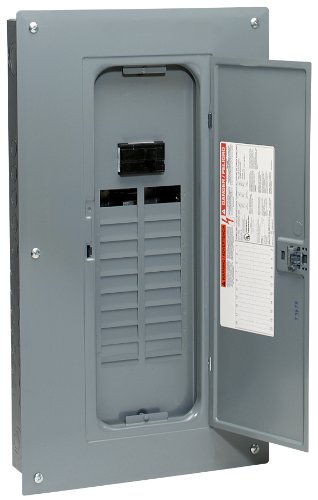
The HOM20M100C is a compact 100 amp indoor load center designed for residential power distribution. It features a 20-space, 20-circuit configuration, with a robust enclosure suitable for indoor installation and a plug-on neutral design for easier wiring. This model is suited for new installations or upgrades where space is at a premium and a mainstream 100A main is required.
Key considerations: indoor use only; ensure compatibility with existing breakers and space layout; verify that the catalog listing meets local electrical code requirements for your service panel upgrade.
ABB TM2010CCUBK1 PowerMark Gold Indoor Panel

The ABB TM2010CCUBK1 panel provides expanded residential power distribution with 20 spaces and 20 circuits, all housed in a galvanized steel enclosure. Includes a 100A main breaker plus three 20A single-pole and one 30A double-pole breakers, offering a ready-to-start kit for immediate use. Its copper bus bar and reinforced chassis support long-term reliability and conductivity.
Key considerations: evaluate the included breakers to ensure compatibility with existing or planned loads; confirm indoor installation suitability and panel enclosure rating for your project scope.
Schneider Electric Homeline 100A Indoor 24-Space Load Center

HOM2448M100PC is a 100 amp indoor load center with 24 spaces and 48 circuits, designed for reliable, scalable protection. The plug-on neutral design simplifies installation, and the distribution-neutral bars keep wiring tidy. The enclosure is tin-plated aluminum, and the unit is built for indoor use with a durable baked enamel finish for longevity.
Key considerations: check the space availability in the panel location; ensure that the breaker assortment matches future load expansion plans; verify indoor clearance and wiring routes for best performance.
Schneider Electric Homeline 6-Space Main Lug Indoor Load Center

HOM612L100SCP provides a compact 100A solution with 6 spaces and 12 circuits, featuring fixed main lugs for straightforward installation. This model is ideal where space is highly constrained or where a smaller panel is required for specific sub-paneling or localized distribution in a finished space.
Key considerations: suitable for smaller branch circuit demands; confirm that six spaces meet your current and near-term expansion needs; assess whether a main breaker option would better suit future load growth.
Schneider Electric Homeline 100A Outdoor 12-Space Box

The HOM1224M100PRB is an outdoor-rated 100A main breaker box with 12 spaces and 24 circuits in a NEMA 3R enclosure. The plug-on neutral design supports modern Homeline breakers, and the rugged enclosure offers protection against the elements for exterior installations. This option suits outdoor kitchens, garages, or exterior service setups where weather resistance is required.
Key considerations: verify outdoor installation clearances and local code requirements for weatherized enclosures; ensure that the panel rating matches the service this outdoor location will support; plan for weatherproof conduit and grounding methods.
Buying Guide: Key Purchase Considerations for 100 Amp Panels
- Indoor vs. outdoor use: select enclosures rated for the installation environment. Outdoor panels should have NEMA or UL ratings for weather resistance (e.g., NEMA 3R).
- Main breaker vs. main lug: determine whether you need a main breaker (protects the entire panel) or main_lug configurations (requires external main or sub-panel protection).
- Space and circuit count: consider current needs and anticipated expansion. Panels range from 6 spaces to 24 spaces or more; tandem and quad breakers can influence real circuit capacity.
- Plug-on neutral design: simplifies wiring and helps with safe, quick installations. Check compatibility with your preferred breakers and neutrals.
- Bus material and enclosure: copper or tin-plated aluminum bus bars offer conductivity and longevity. Enclosure durability (galvanized steel, aluminum) affects corrosion resistance and heat tolerance.
- Code compliance: ensure the panel model is listed for residential or commercial use as required by local codes and the electrical contractor’s scope.
- Expansion readiness: evaluate future loads (HVAC, water heaters, EV charging) to decide on a panel that allows easy circuit expansion or sub-panels.
- Installation environment: assess space, accessibility, clearances, and the ability to route wires without bending or overfilling conductors.
When selecting among these options, customers should align panel type with their service upgrade goals, whether upgrading an older system, finishing a basement, or planning for an outdoor installation. Consider hiring a licensed electrician to verify compatibility with existing service equipment, grounding systems, and local codes.