When powering outdoor solar lights, remotes, garden accessories, and portable solar devices, the right rechargeable batteries extend run times and reduce maintenance. This guide highlights five solar-ready battery options and power banks designed to maximize efficiency, battery life, and convenience in American outdoor settings. Each pick is evaluated for capacity, durability, charging compatibility, and lifespan to help you choose confidently for solar-powered setups.
Summary of Selected Products
- EBL Solar AA Battery Rechargeable Batteries — 1300mAh NiMH, 12-pack
- Solar Power Bank 49800mAh by jskei — Wireless + built-in cables, 15W USB-C
- Power-Bank-Solar-Charger 42800mAh by Mregb — 4 outputs, QC3.0
- Portable Solar Generator 300W by ZeroKor — 280Wh, 60W panel
- QBLPOWER AA Ni-MH 600mAh — 8-pack for solar lights
EBL Solar AA Batteries for Outdoor Lights

These AA rechargeable NiMH batteries are sized for solar lights, outdoor garden fixtures, remotes, and small electronics. With a nominal capacity of 1300mAh and a long-life design, they deliver reliable power for extended periods between charges. The pre-charged cells are ready for immediate use, reducing downtime in solar lighting applications.
Key features include upgraded low-self-discharge technology, which helps retain more than 80% of capacity after three years. This makes them a strong candidate for seasonal lighting setups where batteries may sit idle for months. The compact 1.2V format ensures compatibility with most standard solar garden lights and devices that rely on AA power cells. Durability and a robust lifecycle make these a practical option for year-round outdoor use.
Solar Power Bank 49800mAh by jskei
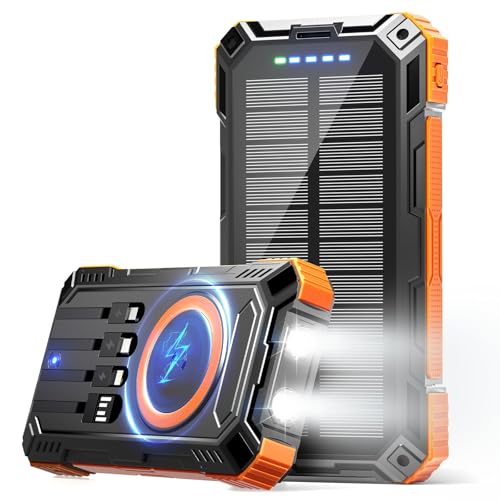
This 49,800mAh solar power bank combines high capacity with built-in versatility. It includes four integrated cables (USB-A input, USB-C, Micro-USB, Lightning), two USB ports, and wireless charging. The 15W USB-C fast charge can push a compatible device from 0% to about 50% in roughly 30 minutes, making it ideal for campers and emergency use.
jskei emphasizes durability with impact-resistant construction and extensive quality testing. It’s designed for off-grid adventures, road trips, and blackout scenarios where dependable charging matters. The device is a strong candidate for households seeking an all-in-one solar solution that minimizes cable clutter while providing multiple charging pathways for phones, tablets, and accessories.
Power-Bank-Solar-Charger 42800mAh by Mregb

With a 42,800mAh capacity, this solar charger offers multiple output options: 5V/3.1A total with QC3.0 fast charging compatibility. It features IP67 waterproofing, drop resistance, and dust protection, making it suitable for rugged outdoor use. The built-in solar charging capability helps recharge the power bank in sun-exposed environments, reducing dependence on wall outlets during trips or emergencies.
Equipped with dual USB outputs and a USB-C input, it supports charging multiple devices at once and is suited for smartphones, cameras, and small laptops. The product is positioned for outdoor enthusiasts who need a resilient, high-capacity power source that can tolerate moisture, dust, and rough handling.
Portable Solar Generator 300W by ZeroKor

This 300W portable solar generator includes a foldable 60W solar panel and a 280Wh lithium battery pack. It offers two 110V/300W AC outlets, DC output, and three USB ports plus a quick-charge USB port. A built-in SOS flashlight extends its utility to camping, RV travel, or emergency outages. It’s a compact, all-in-one option for users seeking off-grid power without a heavy solar array.
Users should note the device’s practical limits: it supports typical solar-powered devices but may struggle with high-wattage appliances. The inclusion of a pure sine wave inverter makes it suitable for sensitive electronics, while the integrated solar panel streamlines charging when outlets aren’t available. It is a strong fit for campers and homeowners needing a versatile backup power source for moderate loads.
QBLPOWER AA Ni-MH 600mAh 8-Pack
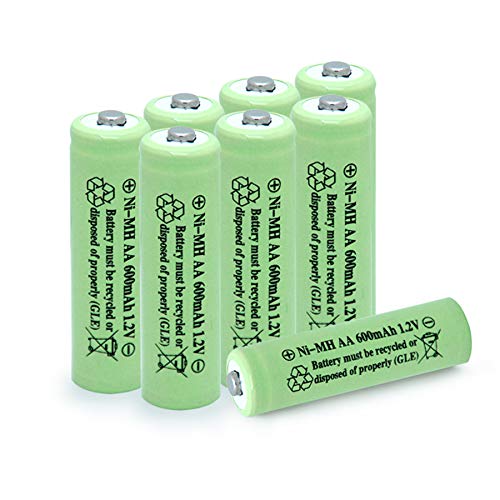
This 8-pack of AA Ni-MH rechargeable batteries provides 1.2V with a 600mAh capacity and up to 25 months of projected life. The batteries are especially compatible with Intermatic and Malibu solar garden lights, as well as other solar-powered fixtures that rely on AA cells. They offer a longer run time compared with standard alkaline options, helping reduce battery changes for garden lights and remotes.
Anticipated advantages include a reliable recharge cycle and compatibility with common solar lighting systems. As with most Ni-MH cells, performance depends on the charging cycle and temperature conditions. This set is suitable for homeowners who want to stock up on dependable, mid-capacity AA cells to maintain their outdoor lighting installations.
Buying Guide: Key Purchase Considerations
- Capacity and voltage: Match the battery type to your devices. AA NiMH cells typically provide 1.2V, while higher-capacity packs in power banks extend run times for off-grid use.
- Discharge rate and self-discharge: Low-self-discharge tech helps retain charge during storage. Consider products with LD or enhanced shelf-life capabilities for seasonal lighting.
- Durability and weather resistance: Outdoor gear benefits from IP-rated housings and shatter-resistant builds, especially for solar panels, power banks, and portable generators.
- Charging options: Systems with multiple charging ports, built-in cables, or solar compatibility reduce clutter and increase flexibility in remote locations.
- Compatibility: Ensure batteries fit your fixtures (size, chemistry, and connector type). Check for device-specific recommendations from the manufacturer.
- Safety certifications: UL, CE, FCC, and RoHS certifications indicate compliance with safety standards and quality control.
- Portability vs. capacity: Larger capacity units often add weight. Balance the need for power with travel convenience for camping or emergency kits.
- Maintenance and lifecycle: Look for products with proven cycle counts and warranties. Rechargeable options reduce waste compared to disposable batteries.
- Budget and availability: Compare cost-per-usable-mAh and availability for replacements, especially during off-season periods.
- Environmental considerations: Prefer batteries designed for longevity and that minimize environmental impact through recycling programs.